Shirts

Words for shirt in Celtic languages:

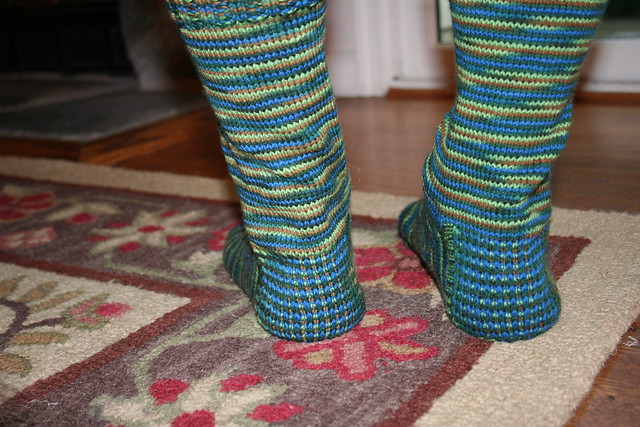
Old Irish (Goídelc) léine [ˈl͈ʲeːnʲə] = linen, tunic, smock
Irish (Gaeilge) léine [ˈl̠ʲeːnʲə] = shirt, tunic
Scottish Gaelic (Gàidhlig) lèine [l̪ʲeːnə] = shirt, (sports) strip, smock, chemise, shroud
Manx (Gaelg) lheiney = shirt
Proto-Celtic *kridsus = shirt (?)
Old Irish (Goídelc) cris = girdle, belt, hoop
Welsh (Cymraeg) crys [krɨːs / kriːs] = shirt, under-garment, chemise, smock
Old Cornish kreis = shirt
Cornish (Kernewek) krys = shirt
Breton (Brezhoneg) krez = shirt, cloth

Sources: Wiktionary, Am Faclair Beag, teanglann.ie, On-Line Manx Dictionary, Geiriadur Prifysgol Cymru, Gerlyver Kernewek, Dictionnaire Favereau

Books

Words for book in Celtic languages:

Old Irish (Goídelc) lebor [ˈl͈ʲevor] = book
Irish (Gaeilge) leabhar [l̠ʲəuɾˠ / l̠ʲoːɾˠ] = book
Scottish Gaelic (Gàidhlig) leabhar [l̪ʲo.ər] = book, volume, the Bible
Manx (Gaelg) lioar = book, tome, volume, folio
Welsh (Cymraeg) llyfr [ɬɨ̞vr / ɬɪvr] = book, volume
Old Cornish liuer = book
Cornish (Kernewek) levr = book
Old Breton librou = book
Breton (Brezhoneg) levr = book

Etymology: from the Latin liber (book, the inner bark of a tree), from Proto-Italic *lufros, from the Proto-Indo-European *lubʰrós, from *lewbʰ- (to peel, cut off, harm)[source].

Sources: Wiktionary, Am Faclair Beag, teanglann.ie, On-Line Manx Dictionary, Geiriadur Prifysgol Cymru, Gerlyver Kernewek, Dictionnaire Favereau

The Library, Trinity College - Dublin, Ireland

Floor / Ground

Words for floor / ground in Celtic languages:

Proto-Celtic *ɸlārom = floor
Old Irish (Goídelc) lár = floor / ground
Irish (Gaeilge) lár [l̪ˠɑːɾˠ / l̪ˠæːɾˠ] = floor, ground, middle, centre
Scottish Gaelic (Gàidhlig) làr [l̪ˠaːɾ] = floor, ground, storey, middle, centre
Manx (Gaelg) laare = storey, deck, floor, bottom, flat, set, sill, level
Proto-Brythonic *lọr [ˈlɔːr] = floor
Old Welsh laur = floor
Middle Welsh (Kymraec) llawr, llaur = floor
Welsh (Cymraeg) llawr [ɬau̯r] = floor, deck, gallery, stage, platform, cellar, basement, ground, bottom (of sea)
Old Cornish lor = floor
Cornish (Kernewek) leur = floor, ground
Old Breton lor = floor
Breton (Brezhoneg) leur = floor, ground, area

Etymology: from the Proto-Indo-European word *pleh₂- (to be flat), which is also the root of the English word floor [source].

Sources: Wiktionary, Am Faclair Beag, teanglann.ie, On-Line Manx Dictionary, Geiriadur Prifysgol Cymru, Gerlyver Kernewek, Dictionnaire Favereau

Flooring

Whistling Winds

Words for wind and whistle in Celtic languages.

Windy

Proto-Celtic *gaytā = wind
Old Irish (Goídelc) gaíth = wind
Middle Irish (Gaoidhealg) gáeth [ɡaːi̯θ] = wind
Irish (Gaeilge) gaoth [ɡeːh / ɡiːh] = wind, breeze, flatulence
gaothach = windy
gaothaire = vent, ventilator
gaothraigh = to fan, flutter (in breeze)
gaothráil = fanning, waving, fluttering
gaothscáth = windscreen
Scottish Gaelic (Gàidhlig) gaoth [gɯː] = wind, breeze, flatulence
gaoth-chuairtlein = whirlwind
gaoth-mhór = gale, strong wind
gaoth-sgàth = windscreen
gaothach = windy, flatulent, pneumatic
gaothmhor = gusty, windy, blustering, blustery, flatulent
Manx (Gaelg) geay [ɡiː] = wind, flatulence
geayeeagh = windy, blowy, breezy

Etymology: from the Proto-Indo-European *ghai / *ghei / *ghi (drive, storm) [source].

Proto-Celtic *wintos = wind
Old Irish (Goídelc) fet [fʲed] = whistling, hissing, the sound of a sword cleaving the air; pipe (musical intrument)
Irish (Gaeilge) fead [fʲad̪ˠ] = whistle
feadáíl = whistling
feadaire = whistler
feadánacht = whistling, piping, wheezing
feadóg = (tin) whistle, plover, tall thin woman
Scottish Gaelic (Gàidhlig) fead [fed] = whistle, hiss
feadag = whistle
feadaire = whistler
feadalaich = whistling
Manx (Gaelg) fed [ɡiː] = toot, blast on whistle, zip, swish
feddagh = whistler
feddanagh = whistle
feddanys = whistling
Proto-Brythonic *gwɨnt [ˈɡwɨnt] = wind
Middle Welsh (Kymraec) gwynt = wind
Welsh (Cymraeg) gwynt [ɡwɨ̞nt / ɡwɪnt] = wind, blast, gale, stiff breeze, current of air, air, bellows, bombast, pride; empty talk, mere words
gwyntio = to blow, blast, breathe, sniff, snort, fart
gwynt(i)og = windy, breezy, stormy, wind-swept, wind-tossed, wind-blown, flatulent
Old Cornish guins = wind
Cornish (Kernewek) gwyns = wind
gwyns skav = breezy
gwynsek = windy
gwynsell = fan
gwynsella = to fan
melin wyns = windmill
Middle Breton guent = wind
Breton (Brezhoneg) gwent = wind (literary / archaic), gas, flatulence
gwentadur ventilation

Etymology: from the Proto-Indo-European *h₂wéh₁n̥ts (blowing) [source], which is also the root of words for wind in Germanic, Romance and Indo-Iranian languages.

Proto-Celtic *awelā = breeze, wind, breath
Proto-Brythonic *awel = breeze, wind
Gaulish aurarum = wind
Middle Welsh (Kymraec) avel / awel = wind, air, weather
Welsh (Cymraeg) awel = (light) wind, breeze, air, weather
awelu = to blow, flow, breathe
awelaidd = breezy, fresh (wind)
awelan = (gentle) wind
awelig (light) breeze
awelog = breezy, windy, squally, airy, flatulent
Old Cornish auhel = wind
Cornish (Kernewek) awel = gale, weather wind
awel glor = breeze
hager awel = bad weather, squall, storm, tempest
Old Breton auelou / auel = wind
Breton (Brezhoneg) avel [ˈɑːvɛl / ˈɑːwɛl] = wind

Etymology: from the Proto-Indo-European *h₂ewh₁eleh₂ from *h₂weh₁- (to blow) [source], which is also the root of English words such as fan, vent, weather and wind.

Words marked with a * are reconstructions.

Here’s a tune I wrote a few years ago that seems approiate for this post: The Whistling Windows / Y Ffenstri Sïo

Sources: Wiktionary, Am Faclair Beag, Online Manx Dictionary, Teanglann.ie, eDIL – Electronic Dictionary of the Irish Language, In Dúil Bélrai English – Old Irish glossary, Geiriadur Prifysgol Cymru, Gerlyver Kernewek, Dictionaire Favereau, TermOfis, English – ProtoCeltic WordList (PDF), Etymological Dictionary Of Proto Celtic

Blubrry podcast hosting

Rain

Words for rain in Celtic languages:

Old Irish (Goídelc) baistech = rain, rainfall
Irish (Gaeilge) báisteach = rain, rainfall
Scottish Gaelic (Gàidhlig) baisteach [baʃdʲəx] = baptismal, Baptist, rain
Manx (Gaelg) Bashtagh = Baptist

Etymology: from the Old Irish baithis (baptism), from the Latin baptisma (absolution, baptism).

Irish (Gaeilge) fearthainn = rain, rainfall

Etymology: from the Middle Irish ferthain (giving forth, pouring, showering), from the Old Irish feraid (to grant, afford, supply, pour, shower, shed).

Old Irish (Goídelc) fliuchad = (the act of) wetting
Irish (Gaeilge) fliuchadh = wetting
Scottish Gaelic (Gàidhlig) fliuchadh [fluxəd] = degree of wetness, moistness
Manx (Gaelg) fliaghey = rain

Etymology: from the Old Irish fliuch (wet), from the Proto-Celtic *wlikʷos (wet). Cognate with words for wet in all Celtic languages.

Other ways to refer to rain Scottish Gaelic include uisge (water), and fras (shower, rain).

Proto-Celtic *glawā = rain
Welsh (Cymraeg) glaw = rain, shower
Cornish (Kernewek) glaw = rain
Breton (Brezhoneg) glav = rain

Sources: Wiktionary, Am Faclair Beag, teanglann.ie, On-Line Manx Dictionary, Geiriadur Prifysgol Cymru, Gerlyver Kernewek, Dictionnaire Favereau

Ways to say it’s raining

  • Tá sé ag cur báisteach / básiti (Irish)
  • Tá sé ag cur fearthainn (Irish)
  • Tá sé ag cur (Irish)
  • Tha an t-uisge ann (Scottish Gaelic)
  • T’eh ceau fliaghey (Manx)
  • T’eh ceau (Manx)
  • Mae hi’n bwrw glaw (Welsh)
  • Mae’n bwrw glaw (Welsh)
  • Mae’n bwrw (Welsh)
  • Yma ow kul glaw (Cornish)
  • Hi a wra glaw (Cornish)
  • Glav a ra (Breton)

Weather words in: Breton, Cornish, Irish and Welsh

Words for heavy rain in many languages

Rain

Strength

Words for strength in Celtic languages:

Proto-Celtic *brīgos = strength
Old Irish (Goídelc) bríg [bʲrʲiːɣ / bʲrʲiːɣʲ] = force, power, value, virtue, strength, vigour, vitality
Irish (Gaeilge) brí [brʲiː] = strength, vigour; force, significance; influence, merit
Scottish Gaelic (Gàidhlig) brìgh [brʲiː] = essence, gist, matter, pith, purport, substance; meaning, sense, significance; point (of an argument); energy, force; juice
Manx (Gaelg) bree = power, energy, stamina, vigour, virtue, initiative, validity, animation, inwardness, glow, exhalation, drift, essence, gist, effect
Welsh (Cymraeg) bri [briː] = honour, dignity, reputation, fame, prestige, esteem, power, authority, importance, value, popularity
Cornish (Kernewek) bri = distinction, esteem, importance, relevance, reputation, value, prominence
Breton (Brezhoneg) bri = dignity, honour

Etymology: from the Proto-Indo-European *gʷréh₂us (heavy) [Source].

Sources: Wiktionary, Am Faclair Beag, teanglann.ie, On-Line Manx Dictionary, Geiriadur Prifysgol Cymru, Gerlyver Kernewek, Dictionnaire Favereau

Willow (trees)

Words for willow tree (salix) in Celtic languages:

Old Irish (Goídelc) sail = willow (tree), plank, beam
Irish (Gaeilge) saileach = willow (tree), sallow
Scottish Gaelic (Gàidhlig) seileach [ʃeləx] = willow (tree)
Manx (Gaelg) shellagh = willow (tree), proliferous, sallow, salivary, withy
Welsh (Cymraeg) helyg [ˈhɛlɪɡ / ˈheːlɪɡ] = willow (tree), osier
Cornish (Kernewek) helygk [ˈhɛlɪk] = willow (tree)
Breton (Brezhoneg) haleg = willow (tree)

Words marked with a * are reconstructions.

Etymology: from the Proto-Indo-European salək- (willow).

Sources: https://en.wiktionary.org/wiki/salix#Latin, Am Faclair Beag, teanglann.ie, On-Line Manx Dictionary, Geiriadur Prifysgol Cymru, Gerlyver Kernewek, Dictionnaire Favereau

Willow Tree Reflection

Elm (trees)

Words for elm tree (ulmus) in Celtic languages:

Proto-Celtic *lēmos / *limos = elm (tree)
Old Irish (Goídelc) lem [lʲɛmˠ] = elm (tree)
Middle Irish (Gaoidhealgh) lemán = elm (tree)
Irish (Gaeilge) leamhán = elm (tree)
Scottish Gaelic (Gàidhlig) leamhan [l̪ʲɛvan] = elm (tree)
Manx (Gaelg) lhiouan = elm (tree)
Proto-Brythonic *lēm- = elm (tree)
Welsh (Cymraeg) llwyf = elm (tree), elm-bark, made of elm or elm-bark, platform, loft, lime-tree, linden
Cornish (Kernewek) elow = elm (tree)
Breton (Brezhoneg) evlec’h = elm (tree)

Words marked with a * are reconstructions.

Etymology: from the Proto-Indo-European *h₁élem from *h₃es (mountain elm).

Sources: Am Faclair Beag, teanglann.ie, On-Line Manx Dictionary, Geiriadur Prifysgol Cymru, Gerlyver Kernewek, Dictionnaire Favereau

Elm Tree

Ash (trees)

Words for ash tree (fraxinus) in Celtic languages:

Proto-Celtic *osnistū / *osnos = ash tree
Old Irish (Goídelc) uinnius [ˈun͈ʲus] = ash (tree)
fuinnseóc = ash tree
Irish (Gaeilge) fuinseog = ash (tree), ash-handled implement
Scottish Gaelic (Gàidhlig) uinnseann [ũĩn̪ʲʃən̪ˠ] = ash (tree), ash wood
fuinnseag = European / common ash (tree)
Manx (Gaelg) unjin = ash (tree)
Welsh (Cymraeg) onn [ɔn] = ash (tree / wood), spear
Old Cornish onnen = ash (tree)
Cornish (Kernewek) onn = ash (tree)
Breton (Brezhoneg) onn = ash (tree)

Words marked with a * are reconstructions.

Etymology: from the Proto-Indo-European *h₃es-nos from *h₃es (ash tree).

Sources: Wiktionary, Am Faclair Beag, teanglann.ie, On-Line Manx Dictionary, Geiriadur Prifysgol Cymru, Gerlyver Kernewek, Dictionnaire Favereau

ash tree

Hazel (trees)

Words for hazel (tree) (corylus avellana) in Celtic languages:

Proto-Celtic *koslos = hazel (tree)
Gaulish corillus = hazel (tree)
Old Irish (Goídelc) coll [kol͈] = hazel (tree)
Irish (Gaeilge) coll = hazel (tree)
Scottish Gaelic (Gàidhlig) coll [kɔul̪ˠ] = hazel (tree)
calltainn [kaul̪ˠdɪn̪ʲ] = hazel tree
Manx (Gaelg) coull = hazel (tree)
Welsh (Cymraeg) coll [kɨ̞ɬ / kɪɬ] = hazel (tree), sapling, twig
Old Cornish colwiden = hazel (tree)
Cornish (Kernewek) koll = hazel (tree)
Old Breton collin = hazel (tree)
Breton (Brezhoneg) kelvez = hazel (tree)

Words marked with a * are reconstructions.

Sources: Wiktionary, Am Faclair Beag, teanglann.ie, On-Line Manx Dictionary, Geiriadur Prifysgol Cymru, Gerlyver Kernewek, Dictionnaire Favereau

IMG_5118