Adventure in Etymology – Peace

In this Adventure we’re giving peace a chance.

dove-zeitgeist.associates

Peace [piːs] is:

  • A state of tranquility, quiet, and harmony; absence of violence.
  • A state free of oppressive and unpleasant thoughts and emotions
  • A state free of war

It comes from Middle English pees [pɛ(ː)s] (peace), from Anglo-Norman peis (peace), from Latin pāx (peace, rest quiet, ease, grace), from Proto-Indo-European *péh₂ḱ-s (peace) from *peh₂ḱ (to join, attach; agreement, setttlement) [source].

Words from the same PIE roots include pay, pact, fair (light in colour, just, equitable), and possibly fang in English; paix (peace), payer (to pay) and pacte (pact, deal) in French; paz (peace) and pagar (to pay) in Spanish, and pax (dibs – to claim a stake to something) in Swedish [source].

Other words from the same roots include the Irish póg, the Scottish Gaelic pòg and the Manx paag, all of which mean kiss and come, via Old Irish and Brythonic, from the Latin (dare) pācem (to give pace), which was originally a kiss used as a sign of peace during a mass [source].

In Old English there were different words for peace: sibb (peace, relationship), as in sibling, and friþ [friθ] (peace, refuge, sancutary), which is cognate with free in English, frid (peace, serenity) in Swedish, and vrede (peace, quiet, tranquility) in Dutch [source].

Incidentally, the band The Pogues were originally called Pogue Mahone, which is an anglicized version of the Irish expression póg mo thóin (kiss my arse) [source].

Here’s a video I made of this information:

Video made with Doodly [afflilate link].

I also write about words, etymology and other language-related topics on the Omniglot Blog, and I explore etymological connections between Celtic languages on the Celtiadur.

You can also listen to this podcast on: Apple Podcasts, Amazon Music, Stitcher, TuneIn, Podchaser, PlayerFM or podtail.

If you would like to support this podcast, you can make a donation via PayPal or Patreon, or contribute to Omniglot in other ways.

The Fastest Way to Learn Japanese Guaranteed with JapanesePod101.com

Adventures in Etymology – Haven

In this Adventure we’re finding a safe haven and other peaceful places.

Armadale harbour

A haven [ˈheɪvən] is:

  • A harbour or anchorage protected from the sea
  • A place of safety
  • A peaceful place

It comes from Middle English haven(e), from Old English hæfen [ˈxæ.fen] (inlet, harbour, port), from Proto-Germanic *hab(a)nō [ˈxɑ.βɑ.nɔː] (harbour, haven), from PIE *kh₂p(ó)neh₂, from *keh₂p- (to take, seize, grasp) [source].

The English word abra, which means a narrow mountain pass, was borrowed from Spanish abra (small bay, inlet, glade, clearing), which comes from French havre (haven), and comes ultimately from Proto-Germanic *hab(a)nō via Middle Dutch, Old Dutch and Proto-West-Germanic, or Old Danish and Old Norse [source].

Other words from the same Proto-Germanic roots include Hafen (harbour, port, haven) in German, haven (harbour, port) in Dutch, hamn (harbour) in Swedish, and havn (harbour, haven) in Danish [source].

Incidentally, the word heaven doesn’t come from the same roots as haven. Instead it comes from Middle English heven(e) [ˈhɛv(ə)nə] (heaven, the heavens), from Old English heofon [ˈxe͜o.fon] (sky, heaven), from Proto-West-Germanic *hebun (sky, heaven), the roots of which are uncertain [source].

In case you’re interested, here details of the origins of the word harbour.

Here’s a video I made of this information:

Video made with Doodly [afflilate link].

I also write about words, etymology and other language-related topics on the Omniglot Blog, and I explore etymological connections between Celtic languages on the Celtiadur.

You can also listen to this podcast on: Apple Podcasts, Amazon Music, Stitcher, TuneIn, Podchaser, PlayerFM or podtail.

If you would like to support this podcast, you can make a donation via PayPal or Patreon, or contribute to Omniglot in other ways.

The Fastest Way to Learn Japanese Guaranteed with JapanesePod101.com

Adventure in Etymology: Harbouring Harbingers

In this Adventure we find out what connects the words harbinger and harbour.

harbingers

A harbinger [ˈhɑːbɪndʒə/ˈhɑɹbɪnd͡ʒəɹ] is:

  • One that indicates or foreshadows what is to come;
  • A person sent in advance of a royal party or army to obtain lodgings for them (obsolete)

Harbinger is used most often in particular phrases: it can be negative, as in a harbinger of doom, or positive, as in a harbinger of Spring [source].

It comes from Middle English herberjour [ˌ(h)ɛrbi(r)ˈd͡ʒuːr] (a host, one who provides accommodation or hospitality, a person sent in advance (of an army) to arrange lodgings), from Old French herbergeor (innkeeper, host), from herbergier (to set up camp, to (take) shelter), via Frankish, from Proto-West-Germanic *harjabergu (army camp, barracks, refuge, shelter), from *hari (army) and *bergu (protection) [source].

Words from the same roots include harbour in English, Herberge (hostel, inn) in German, herberg (inn, lodging) in Dutch, härbärge (a place to stay, homeless shelter) in Swedish, herbergi (room, apartment) in Icelandic, and auberge (hostel) in French [source].

Here’s a video I made of this information:

Video made with Doodly [afflilate link].

I also write about words, etymology and other language-related topics on the Omniglot Blog, and I explore etymological connections between Celtic languages on the Celtiadur.

You can also listen to this podcast on: Apple Podcasts, Amazon Music, Stitcher, TuneIn, Podchaser, PlayerFM or podtail.

If you would like to support this podcast, you can make a donation via PayPal or Patreon, or contribute to Omniglot in other ways.

The Fastest Way to Learn Japanese Guaranteed with JapanesePod101.com

Celtic Pathways – Javelin

In this episode we’re getting to grips with the word javelin.

Javlin

A javelin is a light spear thrown with the hand and used as a weapon, or a metal-tipped spear thrown for distance in an athletic field event. It comes from the Old French javelline (javelin), a diminutive of javelot (javelin), from the Vulgar Latin *gabalottus (spear), from the Gaulish *gabalos (fork), from the Proto-Celtic gablā- (fork, forked branch), from Proto-Indo-European *gʰabʰlos (fork, branch of tree) [source].

Related words in modern Celtic language include:

  • gabhal [ɡoːəl̪ˠ] = bifurcation, fork, crotch, junction in Irish
  • gobhal [ɡoːəl̪ˠ] = bifurcation, fork, crotch, junction in Scottish Gaelic
  • goal = fork, branch, crotch, crutch, junction, perineum in Manx
  • gafl [gafl] = fork, stride, lap, inner part of the thigh, groin, angle, nook in Welsh
  • gowl = crotch, fork in Cornish
  • goal = fork in Breton

The English word gable comes from the same Gaulish root, via the Old French gable [source]. The English word gaffle (a lever used to bend a crossbow) possibly comes from the same Gaulish root, via Middle English gaffolle, the Middle Dutch gaf(f)el (fork) and the Proto-West Germanic *gabulu (fork) [source].

Words in other languages from the same Gaulish root include Gaffel (gaff) in German, gaffel (fork) in Danish, Swedish, Norwegian, and kahveli (gaff, fork) in Finnish [source].

More details of fork-related words in Celtic languages can be found on the Celtiadur, a blog where I explore connections between Celtic languages in more depth. I also write about words, etymology and other language-related topics on the Omniglot Blog.

You can also listen to this podcast on: Apple Podcasts, Amazon Music, Stitcher, TuneIn, Podchaser, PlayerFM or podtail.

If you would like to support this podcast, you can make a donation via PayPal or Patreon, or contribute to Omniglot in other ways.

The Fastest Way to Learn Japanese Guaranteed with JapanesePod101.com

Adventures in Etymology – Snort

In this Adventure we are snuffling around the origins of the word snort.

harbor seal thrusting head back and snorting

Snort [snɔɹt] means:

  • The sound made by exhaling or inhaling roughly through the nose.
  • to exhale roughly through the nose; to make a snort
  • to inhale snuff or another snortable substance

It comes from the Middle English snorten (to snore, breathe heavily, snort), from fnorten/fnōren (to snore loudly, to snort in one’s sleep, (of a horse) to snort), from the Old English fnora (a sneeze, sneezing), from the Proto-Germanic *fnuzô, from the Proto-Indo-European *pnew- (to breathe, snort, sneeze) [source].

Words derived from snort include chortle (a joyful, somewhat muffled laugh, rather like a snorting chuckle) – a blend of chuckle and snort [source]; and snortle (a hearty laugh that is punctuated by a snort on the inhale) – a blend of snort and chortle [source].

Words from the same roots at snort include πνέω [ˈpne.o] (to blow) in Greek; niezen (to sneeze) in Dutch; sneeze, pneumonia and pneumatic in English; and fnysa (to snort, scoff, sniff, harumph) in Swedish [source].

Here’s a video I made of this information:

Video made with Doodly [afflilate link].

I also write about words, etymology and other language-related topics on the Omniglot Blog, and I explore etymological connections between Celtic languages on the Celtiadur.

You can also listen to this podcast on: Apple Podcasts, Amazon Music, Stitcher, TuneIn, Podchaser, PlayerFM or podtail.

If you would like to support this podcast, you can make a donation via PayPal or Patreon, or contribute to Omniglot in other ways.

The Fastest Way to Learn Japanese Guaranteed with JapanesePod101.com

Adventures in Etymology / Celtic Pathways – Brogue

In this episode we’re look into the tangled origins of the word brogue. I decided to make this a joint Adventures in Etymology / Celtic Pathways episode rather doing two separate ones. I hope you don’t mind.

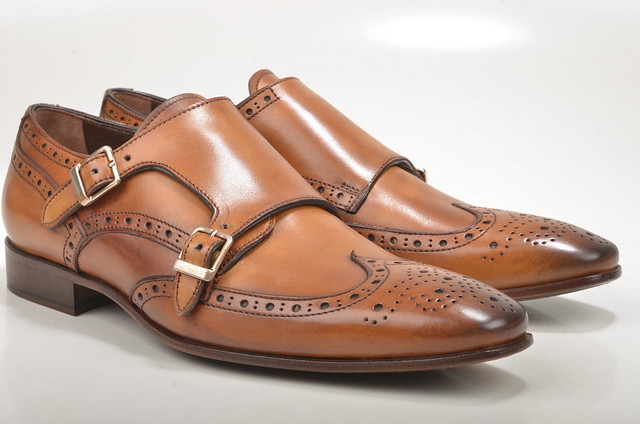
John Baker's Doppelmonk Brogue K188 Kalbsleder hellbraun (brown) (1)

The word brogue in English refers to a type of shoe, or a strong accent, particularly a strong Irish accent when speaking English, although it originally referred to Irish spoken with a strong English accent, or a heavy shoe of untanned leather.

It comes from the Irish word bróg (boot, shoe), from the Old Irish bróc [broːɡ] (shoe, sandal, greave), from the Old Norse brók (trousers, breeches) or the Old English brōc (underpants), both of which come from the Proto-Germanic *brōks (rear end, rump, leggings, pants, trousers), from the PIE *bʰreg- (to break, crack, split) [source].

Related words in other Celtic languages include:

  • bròg [brɔːg] = shoe, boot, hoof in Scottish Gaelic
  • braag = brogue, shoe in Manx
  • brog = brogue (shoe) in Welsh

Brogue in the sense of accent might come from the Irish word barróg (hug, wrestling grip, brogue, impediment of speech) [source], which comes from the Old Irish barróc (fast hold, tight grip, embrace, gripe, stitch) [source],

Other words from the Proto-Germanic root *brōks include breeches/britches in English, brók (trousers, underpants) in Icelandic and Faroese, brok (trousers) in Swedish and Norwegian, and broek (trousers) in Dutch [source].

The Irish word bríste (trousers), the Manx word breeçhyn (breeches) and the Welsh word brits/britsh (breeches) were borrowed from the English word breeches. The Scottish Gaelic word briogais (trousers) comes from the Scots breeks (trousers, breeches), from the Middle English breke, from the Old English brēċ [breːt͡ʃ] (underpants) [source].

More details of shoe– and trouser-related words in Celtic languages can be found on the Celtiadur, a blog where I explore connections between Celtic languages in more depth. I also write about words, etymology and other language-related topics on the Omniglot Blog.

You can also listen to this podcast on: Apple Podcasts, Amazon Music, Stitcher, TuneIn, Podchaser, PlayerFM or podtail.

If you would like to support this podcast, you can make a donation via PayPal or Patreon, or contribute to Omniglot in other ways.

The Fastest Way to Learn Japanese Guaranteed with JapanesePod101.com

Celtic Pathways – Iron

In this episode we are digging up the origins of the word iron.

iron fence

The Proto-Celtic word for iron is *īsarnom. It comes from the Proto-Indo-European *h₁ēsh₂r̥no- (bloody, red), from *h₁ésh₂r̥ (blood) [source].

Descendants in the Celtic languages include:

  • iarann [ˈiəɾˠən̪ˠ] = iron in Irish
  • iarann [iər̪ˠən̪ˠ] = iron, (metal) blade, day’s worth cutting peat (for two) in Scottish Gaelic
  • yiarn = iron; tool, scythe, blade; dough (money); tip (gratuity) in Manx
  • haearn = iron, iron bar, hardness, strength, resoluteness, hard, strong, unyielding in Welsh
  • horn = iron in Cornish
  • houarn [ˈhuː.arn] = iron, flat iron; horseshoe in Breton

Words for iron in Germanic languages come from the same Proto-Celtic root, via the Proto-Germanic *īsarną (iron). They include iron in English, ijzer in Dutch, Eisen in German, järn in Swedish, and jern in Danish [source].

Words from the same PIE roots, include արյուն (aryun – blood, slaughter) in Armenian, asinis (blood, temperament, origin) in Latvian [source], words for blood in Romance languages [source], and words for sister in most European languages [source].

More details about these words on Celtiadur, a blog where I explore connections between Celtic languages in more depth. I also write about words, etymology and other language-related topics on the Omniglot Blog.

You can also listen to this podcast on: Apple Podcasts, Amazon Music, Stitcher, TuneIn, Podchaser, PlayerFM or podtail.

If you would like to support this podcast, you can make a donation via PayPal or Patreon, or contribute to Omniglot in other ways.
The Fastest Way to Learn Japanese Guaranteed with JapanesePod101.com

Celtic Pathways – Wool

In this episode we are teasing out the origins of the word wool.

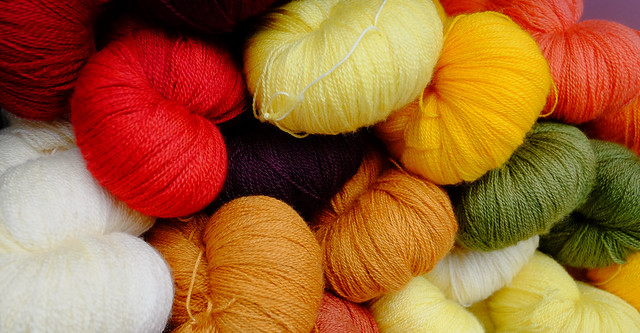
Wool

The Proto-Celtic word for wool is *wlanā. It comes from the Proto-Indo-European *h₂wĺ̥h₁neh₂ (wool), from *h₂welh₁- (hair, wool) [source].

Descendants in the Celtic languages include:

  • olann [ˈɔlˠən̪ˠ] = wool, woolly hair, mop of hair; woollen in Irish
  • olann [ˈɔl̪ˠən̪ˠ] = wool (usually while on sheep) in Scottish Gaelic
  • ollan = wool in Manx
  • gwlân = wool, down, soft hair, grass, herbage; woollen, soft, made of wool in Welsh
  • gwlan = wool in Cornish
  • gloan = wool in Breton

The English word flannel (a soft cloth material originally woven from wool, washcloth) comes from the same Proto-Celtic root, via Gaulish, Old French, Anglo-Norman and Middle English. This was reborrowed into French, and from French into other languages such as Italian, Spanish, Portuguese and Swedish [source].

Words for wool in other European languages come from the same PIE root, including wool in English, wol [ʋɔl] in Dutch, Wolle [ˈvɔlə] in German, and lana in Italian and Spanish [source]

More details about these words on Celtiadur, a blog where I explore connections between Celtic languages in more depth. I also write about words, etymology and other language-related topics on the Omniglot Blog.

You can also listen to this podcast on: Apple Podcasts, Amazon Music, Stitcher, TuneIn, Podchaser, PlayerFM or podtail.

If you would like to support this podcast, you can make a donation via PayPal or Patreon, or contribute to Omniglot in other ways.

The Fastest Way to Learn Japanese Guaranteed with JapanesePod101.com

Celtic Pathways – Bells & Clocks

In this episode we’re looking at words for bells, clocks and related things..

Bells

The Proto-Celtic word for bell was *klokkos, which comes either from the Proto-Indo-European *klēg-/*klōg- (onomatopoeia), or from *kleg- (to cry, sound) [source].

Descendants in the modern Celtic languages include:

  • clog [klˠɔɡ] = bell, clock in Irish
  • clag [kl̪ˠag] = bell; crash, loud noise in Scottish Gaulish
  • clag = bell, clock, ball in Manx
  • cloch [kloːχ] = bell, bell-shaped object, bubble; prize, feat; o’clock in Welsh
  • klogh [klɔ:x / klo:h] = bell in Cornish
  • kloc’h = bell in Breton

The Medieval Latin word clocca possibly comes from the same Proto-Celtic root. It meant bell from the 8th century, bell-shaped clock from the 13th century and clock from the 15th century [source].

Words from the same Latin root include cloche, cloak and clock in English, cloche (bell, cover, clot) and cloque (blister) in French, klocka (clock, watch, bell) in Swedish, and Glocke (bell) in German [source].

More details about these words on Celtiadur, a blog where I explore connections between Celtic languages in more depth. I also write about words, etymology and other language-related topics on the Omniglot Blog.

You can also listen to this podcast on: Apple Podcasts, Amazon Music, Stitcher, TuneIn, Podchaser, PlayerFM or podtail.

If you would like to support this podcast, you can make a donation via PayPal or Patreon, or contribute to Omniglot in other ways.
The Fastest Way to Learn Japanese Guaranteed with JapanesePod101.com

Adventures in Etymology – Hat

Chapeaux

Today we are uncovering the origins of the word hat.

A hat [hæt / hat] is:

  • a covering for the head, often in the approximate form of a cone, dome or cylinder closed at its top end, and sometimes having a brim and other decoration
  • a particular role or capacity that a person might fill.

It comes from the Middle English hat [hat] (hat, cap, helmet), from the Old English hæt(t) (hat, head-covering), from the Proto-Germanic *hattuz [ˈxɑt.tuz] (hat), from the Proto-Indo-European *kadʰnú-, from *kadʰ- (to guard, cover, protect, care for) [source].

Words from the same root include: hood, heed in English, hat (hat) in Danish, hatta (hat) and hätta (bonnet, hood) in Swedish, hattu (hat, cap) in Finnish, hoed (hat, lid) in Dutch, Hut (hat, cap, protection, keeping) in German, and cadw (to keep, guard, defend, save) in Welsh [source].

There are quite a few idioms and sayings related to hats, including:

  • at the drop of a hat = (to do sth) without any hesitation, instantly. For example, I can talk about language and linguistics at the drop of a hat.
  • to eat one’s hat = a humorous action that one will allegedly take place if something very unlikely happens. For example, if a million people listen to this podcast, I’ll eat my hat.
  • old hat = something very common or out of date.
  • to pass the hat = to ask for money, solicit donations or contributions
  • to keep sth under one’s hat = to keep sth secret

Here’s a video I made of this information:

Video made with Doodly [afflilate link].

I also write about words, etymology and other language-related topics on the Omniglot Blog, and I explore etymological connections between Celtic languages on the Celtiadur.

You can also listen to this podcast on: Apple Podcasts, Amazon Music, Stitcher, TuneIn, Podchaser, PlayerFM or podtail.

If you would like to support this podcast, you can make a donation via PayPal or Patreon, or contribute to Omniglot in other ways.

The Fastest Way to Learn Japanese Guaranteed with JapanesePod101.com