Adventures in Etymology – Awkwardly Odd

In this Adventure in Etymology we discover the odd origins of the word awkward.
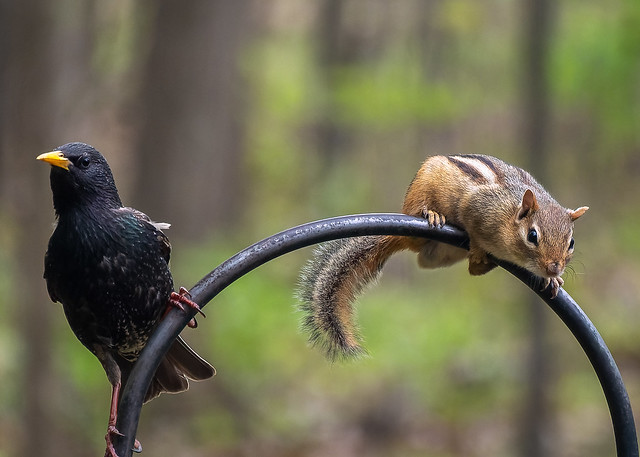
Awkward!

Meanings of awkward [ˈɔːk.wəd / ˈɔk.wɚd] include: lacking dexterity in the use of the hands, or of instruments; not easily managed or effected; embarrassing; lacking social skills, or uncomfortable with social interaction; difficult to handle.

It comes from awk, an obsolete word meaning odd, out of order, perverse, wrong or clumsy, and -ward, a suffix denoting course or direction to, motion or tendency toward, and so on [source].

Awk comes from Middle English auk(e) (backhanded, perverse, wrong, strange, marvelous), from Old Norse ǫfugr (turned the wrong way, unkind, harsh), from Proto-Germanic *abuhaz (inverted, wicked, bad), from PIE *h₂époh₃kʷos, from *h₂epó (off, away) and *h₃ekʷ- (to see, eye) [source].

Words from the same roots include öfugur (reversed, backwards, wrong) in Icelandic, avig (backwards, inside out) in Swedish, opak (opposite) in Czech, and опак (opak – wicked, nefarious, dastardly) in Macedonian [source].

If you would like to support this podcast, you can make a donation via PayPal or Patreon, or contribute to Omniglot in other ways.

Radio Omniglot podcasts are brought to you in association with Blubrry Podcast Hosting, a great place to host your podcasts. Get your first month free with the promo code omniglot.

The Fastest Way to Learn Japanese Guaranteed with JapanesePod101.com

I also write about words, etymology and other language-related topics on the Omniglot Blog, and I explore etymological connections between Celtic languages on the Celtiadur blog.


Celtic Pathways – Land

In this episode we’re looking into words for land and related things.

Llangwyfan church Eglwys Llangwyfan

The Proto-Celtic word *landā means (open) land, and comes from the Proto-Indo-European *lendʰ- (land, heath) [Source].

Related words in Celtic language include:

  • lann [l̪ˠaun̪ˠ] = land, ground, site; building, house, church (obsolete/archaic) in Irish
  • lann [l̪ˠaun̪ˠ] = enclosure, enclosed area, precinct; repository, house or church in Scottish Gaelic
  • lann = enclosure, habitation in Manx
  • llan [ɬan] = (parish) church, monastery, heaven, churchyard, enclosure or yard in Welsh
  • lann [lan] = yard in Cornish
  • lann = moor, heath or moorland in Breton

Words from the same Proto-Celtic root, via Gaulish and Latin, include lande (moor, moorland, heath) in French, landa (a (sandy) plain) in Spanish, landa (country, field, piece of land) in Basque [source].

The (archaic) English word laund [lɔːnd] (a grassy plain or pasture, especially one surround by woodland; a glade) possibly comes from the same Proto-Celtic root, via Middle English, Old French, Latin and Gaulish, or from the Proto-Germanic *landą (land), which comes from the same PIE root [Source].

Other words from the same PIE root include land in English, land (land, country) in Dutch, Land (country, state, province, land) in German, land (land, country, nation, state, ground, earth) in Swedish, lado (uncultivated, wild land) in Czech and ледина [ˈlɛdina] (untilled land) in Macedonian [source].

Incidentally, the new theme tune is one I wrote recently called the Tower of Cats. You can here the whole of it on Instagram.

You can be find more details of words for Land, parishes and enclosures in Celtic languages on the Celtiadur, a blog where I explore connections between Celtic languages in more depth. I also write about words, etymology and other language-related topics on the Omniglot Blog.