Sons

Words for son in Celtic languages.
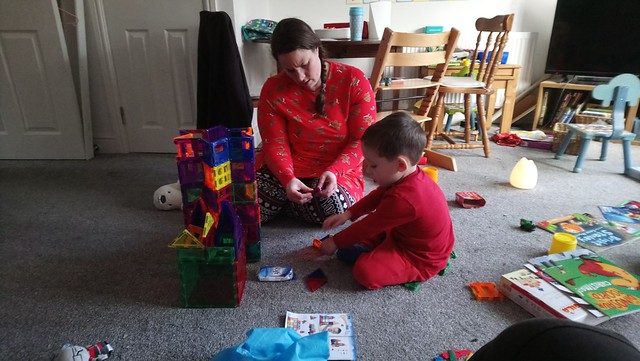
My sister and her son (my nephew)

Proto-Celtic *makʷos [ˈma.kʷos] = son
Primitive Irish ᚋᚐᚊᚔ (maqi), ᚋᚐᚊᚊᚔ (maqqi), ᚋᚐᚊ (maq), ᚋᚐᚉᚉᚔ (macci) = son
Old Irish (Goídelc) macc [mak] = boy, bond, surety
macc foesma = adoptive son
macc muine = love child
macc raite = illegimate child
macc tíre = wolf (“son of the land”)
Irish (Gaeilge) mac [mˠɑk / mˠaːk / mˠak] = son, descendent, boy
mac dearthár = nephew (brother’s son)
mac deirféar = nephew (sister’s son)
mac mic = grandson (son’s son)
mac iníne = grandson (daughter’s son)
mac uchta = favourite son, pet; adopted son
mac Dé = the Son of God
mac léinn = student (“son of the learning”)
mac rí = prince
mac tíre = wolf (“son of the land”)
macacht = childhood, youthful state
macán = little son, young boy, youngster, pet child
macánta = childlike, gentle, meek, mild; honest
macántacht = boyhood, childhood; gentleness, meekness, mildness; honesty
macaomh = young person, youth, boy
macaomhact = youth, youthfulness; youthful beauty
garmhac = grandson, adopted son, sister’ son
leasmhac = stepson
Scottish Gaelic (Gàidhlig) mac [maxg] = son, offspring
mac-bràthar = nephew (brother’s son)
mac-peathar = nephew (sister’s son)
mac-céile = stepson
mac-màthar = everyone, every man
mac-mallachd = the Devil
mac an duine = mankind, human being
macail [maxgal] = filial, affectionate
mac Dhé = the Son of God
mac-tìre = wolf (“son of the land”)
Manx (Gaelg) mac = son
mac braarey = nephew (brother’s son)
mac shayrey = nephew (sister’s son)
mac braar ayrey = first cousin (father’s brother’s son)
mac braar mayrey = first cousin (mother’s brother’s son)
oe mac = grandson
lhiass vac = stepson
mac mollaght, mac imshee = devil
Gaulish mapos = son
Proto-Brythonic *mab [ˈmaːb] = son
Old Welsh map = son
Middle Welsh (Kymraec) map = son
Welsh (Cymraeg) mab [maːb] = boy, son, infant, child, minor, youth; descendant; man, male
mab anweddog, mab gwedde = bachelor
mab bedydd = godson
mab caru = lover, suitor
mab cynnwys = adopted son
Mab Duw = the Son of God
mab (y) dyn = man, human being, living soul
mab mam = mother’s son, human being, living soul
mab maeth = foster son, foster child
mab yng nghyfraith = son-in-law, stepson
maban = baby, infant, young child, little boy, young son
Old Cornish mab, map = son
Cornish (Kernewek) mab [ma:b / mæ:b] = son, male child, boy
mab meythrin = foster son
mab wynn = grandson
mab den = humankind
mab an pla = devil, annoying man
maban, meppik = little son
Old Breton map, mab = son
Middle Breton mab = son
Breton (Brezhoneg) mab = son
mab henañ = older son
mab yaouañ = younger son
mab-kaer, mabeg = son-in-law
mab-bihan = grandson
mab-den= son of man
mab-lagad= pupil (of the eye)
mabel = filial

Etymology
From the Proto-Indo-European *mh₂ḱwos, from *meh₂ḱ- (to raise, grow) [source].

Words marked with a * are reconstructions.

Sources: Wiktionary, Am Faclair Beag, teanglann.ie, On-Line Manx Dictionary, Geiriadur Prifysgol Cymru, Gerlyver Kernewek, Dictionnaire Favereau
Man / Husband

Words for man / husband in Celtic languages.

Proto-Celtic *wiros = man, husband
Celtiberian *uiros = man, husband
Gaulish *wiros = man, husband
Primitive Irish *ᚃᚔᚏᚐᚄ (*viras) [u̯irah] = man
Old Irish (Goídelc) fer [fʲer] = man, husband
Irish (Gaeilge) fear [fʲaɾˠ] = man, husband
Scottish Gaelic (Gàidhlig) fear [fɛr] = man, husband, male
Manx (Gaelg) fer [fɛr] = male, man, gentleman, individual, fellow, bloke, chap
Proto-Brythonic *gwur [ˈˠwur] = man, husband
Old Welsh gur = man, husband
Middle Welsh (Kymraec) gur = man, husband
Welsh (Cymraeg) gŵr [ɡuːr] = man, person, anyone, valiant warrior, brave man, hero; vassal; married man, husband; chessman, pawn
Old Cornish uir = husband
Cornish (Kernewek) gour [ɡu:r] = husband
Middle Breton gur = man, husband
Breton (Brezhoneg) gour [ˈɡuːʁ] = man, person, husband (rare)

Selfie / Hunlun

Etymology
From the Proto-Indo-European *wiHrós (man, husband, warrior, hero) [source], which is also the root of the English words virile and werewolf.

Words marked with a * are reconstructions.

Sources: Wiktionary, Am Faclair Beag, teanglann.ie, On-Line Manx Dictionary, Geiriadur Prifysgol Cymru, Gerlyver Kernewek, Dictionnaire Favereau

Poets, Seers & Bards

Words for poets, seers & bards in Celtic languages.

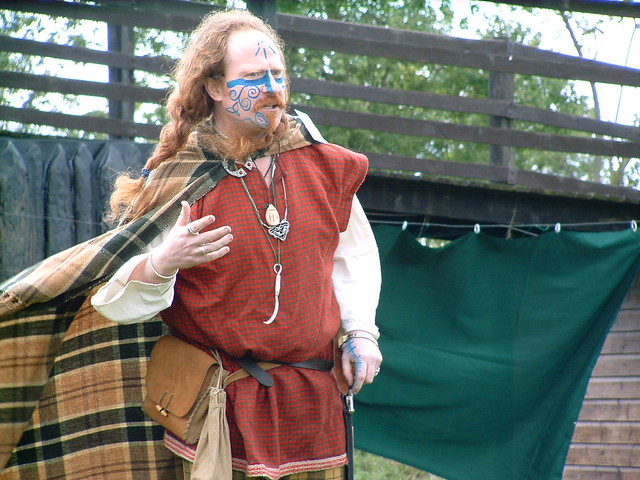
The Cheif Bard of The Fens

Proto-Celtic *weless = seer, poet
Gaulish uelets = seer, poet
Primitive Irish ᚃᚓᚂᚔᚈᚐᚄ (velitas) = seer, poet
Old Irish (Goídelc) fili [ˈfʲilʲi] = poet, seer
Irish (Gaeilge) file = poet; satirist, scold
filíocht = poetry
Scottish Gaelic (Gàidhlig) filidh [filɪ] = poet, bard, minstrel, warbler, songster, philosopher, orator
filidheachd [filɪjəxg] = poetry of a filidh; versification
Manx (Gaelg) feelee = poet
feeleeaght = poetry

Etymology: from the Proto-Celtic *weleti (to see), from the Proto-Indo-European *wel- (to see) [source].

Proto-Celtic *wātis = soothsayer, prophet
Gaulish οὐάτεις (uatis) = seer
Old Irish (Goídelc) fáíth [faːθʲ] = seer, soothsayer, prophet
fáíthsine = prophecy, augury
Irish (Gaeilge) fáigh = seer, prophet, wise man, sage
fáighbhean = prophetess, wise woman
fáidheadóir = prophet, predictor, soothsayer; profound, sage
fáidheadóireacht = prophecy, prediction; wise, sagacious, speech
fáidhiúil = prophetic, wise, sagacious
fáidhiúilacht = prophetic quality, sagaciousness
Scottish Gaelic (Gàidhlig) fàidh [faːj] = prophet, seer; soothsayer
fàidheadair [faːjədɛrʲ] = prophet
fàisneachd = prophecy, prediction, foretelling
fàidheadaireachd = prophesying, prophecy, prediction, divination
Manx (Gaelg) fadeyr = prophet
Middle Welsh (Kymraec) guant, gwaud, gwawt = song of praise
Welsh (Cymraeg) gwawd = song of praise, panegyric, eulogy, praise, exaltation; mockery, derision, ridicule, lampoon, scorn, satire
gwawdaidd = scornful, jeering, satirical
gwawdair = poem, eulogy, praise, commendation
gwawdawr = poet
gwawdio = to mock deride
gwawdlun = caricature
gwawdlyd = mocking, scornful

Etymology: from the Proto-Indo-European *weh₂t- (excited, inspired, possessed, excited) [source].

Proto-Celtic *bardos = poet, bard
Old Irish (Goídelc) bard [bar͈d] = bard, poet
Irish (Gaeilge) bard [bˠɑːɾˠd̪ˠ / bˠæːɾˠd̪ˠ] = poet, bard, scold
Scottish Gaelic (Gàidhlig) bàrd [baːr̪ˠd] = poet, versifier (traditionally ranked below the seven grades of filidh), bard, rhymer
Manx (Gaelg) bard = poet, bard
Proto-Brythonic *barð [ˈbarð] = poet, bard
Middle Welsh (Kymraec) bart, bard, bardd = poet, bard
Welsh (Cymraeg) bardd [barð] = poet, bard, literary person, author, prophet, philosopher, priest
Old Cornish barth = poet, bard
Cornish (Kernewek) bardh [barð / bærð] = (male) bard, poet
Middle Breton barz = bard, poet
Breton (Brezhoneg) barzh = bard, poet

Etymology: from the Proto-Indo-European *gʷerH- (to approve, praise) [source].

Sources: Wiktionary, Am Faclair Beag, Online Manx Dictionary, Teanglann.ie, eDIL – Electronic Dictionary of the Irish Language, In Dúil Bélrai English – Old Irish glossary, Geiriadur Prifysgol Cymru, Gerlyver Kernewek, Dictionaire Favereau, TermOfis, English – ProtoCeltic WordList (PDF)

Eyes & Sun

Today we’re looking at the words for sun, eye and related things in Celtic languages.

A view from Jack Scout

Proto-Celtic *sūle = suns, dual of *sūlos, genitive of *sāwol = sun
Primitive Irish *sūli = eye
Old Irish (Goídelc) súil [suːlʲ] = eye, hope, expectation
Irish (Gaeilge) súil [sˠuːlʲ / sˠuːl] = eye; expectation, hope; something resembling or suggesting an eye
Scottish Gaelic (Gàidhlig) sùil [suːl] = eye; glance, look; expectation; fancy, notion; opening; (rope) eye
Manx (Gaelg) sooill [suːlʲ] = eye, eyepiece, ocellus, sheath of bud, hole of strap
Welsh (Cymraeg) haul [haɨ̯l / hai̯l] = sun, sunlight
heulo = to shine, be sunny, expose to the sun, air (clothes), display
heulog = sunny, solar, cheerful, smiling
torheulo, bolaheulo = to sunbathe
Middle Cornish houl = sun
Cornish (Kernewek) howl [hɔʊl] = sun
howldrevel = sunrise, east
howllen = parasol
howlleski = to tan
howlleskys = sunburnt, tan
howllosk = sunburn
howlsedhes = sunset, west
Breton (Brezhoneg) heol = sun, sunny place, censer

Etymology: from Proto-Indo-European *sóh₂wl̥. (sun) [source].

Proto-Celtic *sawenos = sun
Middle Welsh (Kymraec) haun, hvun = sun, sunlight, sunshine
Welsh (Cymraeg) haun [ˈhɨ.an / ˈhiː.an] = sun, sunlight, sunshine, bright, radiant, sunny
Breton (Brezhoneg) huon = sun

Etymology: from the Proto-Indo-European *sh̥₂uén, from *sóh₂wl̥ (sun) [source].

Proto-Celtic *lukato- = eye
Proto-Brythonic *lugad = eye
Welsh (Cymraeg) llygad [ˈɬəɡad] = eye; iris of the eye; region around the eye; look, gaze; sight, vision; viewpoint
Cornish (Kernewek) lagas [‘lagas / lægɐz] = eye
Breton (Brezhoneg) lagad [ˈla.ɡat] = eye, look, light, eyelet, sleeve, mesh

Etymology: from Proto-Indo-European *lewk- (to shine) [source].

Words marked with a * are reconstructions.

Proto-Celtic *grēnā / *gʷrensnā = sun
Old Irish (Goídelc) grian [ɡʲrʲiːa̯n] = sun
Irish (Gaeilge) grian [ˈgɾʲiənˠ] = sun; paragon
grianach = sunny, cheerful, pleasant
grianadh = sunning, basking
grianán = sunny upper room , solar; person of sunny disposition, loved one, darling
grianbhuí = mellow, golden, sunlight
grianchlog = sundial
grianchóras = solar system
Scottish Gaelic (Gàidhlig) grian [grʲian] = sun
grainach [grʲianəx] = sunny
grainan = sunny spot; place for drying (esp. peat); sundog, mock sun (parhelion)
grian-stad = solstice
Manx (Gaelg) grian [ɡriːn / ɡriᵈn] = sun, sunlight, sunshine
grian-vroit = sunbaked

Etymology: possibly from Proto-Indo-European *gʷʰer- (to be warm, hot) [source].

Words marked with a * are reconstructions.

Sources: Wiktionary, Am Faclair Beag, Online Manx Dictionary, Teanglann.ie, eDIL – Electronic Dictionary of the Irish Language, In Dúil Bélrai English – Old Irish glossary, Geiriadur Prifysgol Cymru, Gerlyver Kernewek, Gerlyvyr Cernewec, Dictionaire Favereau, TermOfis, Le dictionnaire diachronique du breton, Geriafurch, English – ProtoCeltic WordList (PDF), Etymological Dictionary Of Proto Celtic

italki - Win cash rewards for learning any language

Heads & Brains

Words for heads, brains, minds and related things in Celtic languages.

Aquileia

Words marked with a * are reconstructions.

Proto-Celtic *kʷennom = head
*en-kʷennio- = brain
Gaulish pennon, πεννο, πεννοου = head
Primitive Irish ᚉᚒᚅᚐ-ᚉᚓᚅᚅᚔ (cuna-cenni) = dog’s head
Old Irish (Goídelc) cenn [kʲen͈] = head, end, leader
inchinn = brain
Middle Irish (Gaoidhealg) cenn, cend = head, roof, end, chief, leader
cenna (adj.) = chief, principal
cennacht, ceannacht = headship, supremacy, leadership
cennas, cendus = headship, leadership, superiority, precedence
cennide = headgear, headdress, helmet
cennmar, cennmhar = big-headed
cennphort = capital, chief, leader
cenntromm, ceanntrom = heavy-handed
inchinn, inchind = brain(s), mind, intelligence, intention
Irish (Gaeilge) ceann [caun̪ˠ / cɑːn̪ˠ / can̪ˠ] = head; end, extremity; one; chief, main
ceannas = headship, sovereignty, authority, command, forwardnewss, self-assertiveness
ceannasach = ruling, sovereign, commanding, masterful, forward, self-assertive, bold, assured, dominant (chord)
ceannasaí = commander, controller
ceanntrom = bullying, oppression, top-heavy, sluggish, drowsy
inchinn [ˈɪɲçən̠ʲ] = brain
Scottish Gaelic (Gàidhlig) ceann [kʲaun̪ˠ] = head, end, close, finish, lid, roof, subject, topic, leader
ceann-suidhe = president
ceannadair [kʲan̪ˠədɪrʲ] = leader
ceannara [kʲan̪ˠər̪ˠə] = resolute, strong-headed
ceannard [kʲãũn̪ˠər̪ˠd] = chief, leader, head, boss, president, headland
ceannardach [kʲãũn̪ˠər̪ˠdəx] = chiefly, commanding, imperious
ceannas [kʲan̪ˠəs] = presidency, rule, superiority, dominance
eachainn [ɛnɛxɪn̪ʲ] = brain, brains
Manx (Gaelg) kione [caun / coːn / coᵈn] = head, headland, chief, ringleader, bottom, poll, end, extreme, close, finish, top-end, top, point of argument, termination, closing, extremity, point, dyke, tribune
kionard = chief
kionnoort = chief(tain), captain, governor, ruler, prince, deputy, constable
kioneys = dominance, domination, command, hegemony
Proto-Brythonic *penn [ˈpenː] = head
Cumbric pen = head
Middle Welsh (Kymraec) penn, pen = head, chief
pennadur = ruler, chief(tain), lord, nobleman, aristocrat, prince, king, sovereign
pennaethu = to act as a chief, to rule
pennaytheid = chieflike, princely
penryn, penrin, pennrynn = cape, promontory, headland, point, peninsula
talcen, talken = forehead, brow
Welsh (Cymraeg) pen [pɛn] = head, obverse (of coin); top, summit, roof, highest point; extremity, end, beginning; headland, promontory, projecting point of rock; pole
penadur = ruler, chief(tain), lord, nobleman, aristocrat, prince, king, sovereign
penaethu = to act as a chief, to rule
penr(h)yn = cape, promontory, headland, point, peninsula
talcen = forehead, brow
ymennydd [əˈmɛnɨ̞ð / əˈmɛnɪð] = brain, brains, intellectual capacity, mind
Old Cornish penn = head
Middle Cornish (Cernewec) pen = an extremity, end, conclusion, head, chief, beginning, the upper part, summit
pencanguer = centurion (“head of 100 men”)
pendevig, pensevic, pedhzhivig = prince, chief, nobleman
pendruppia = to nod, shake the head
penryn = promontory, cape, head-land
Cornish (Kernewek) penn, pedn [pɛn:] = end, head, summit, top, main, premier, top
pennek = big-headed
pennen = buddle-head
pennseviges = princess
pennsevik = chief, noble, prince
pennskol = university
ympynnyon brain
Old Breton penn = head, chief
Middle Breton (Brezonec) penn, pen = head, chief
pennec = big-headed, stubborn, obstinate
Breton (Brezhoneg) penn [pɛnː] = head, chief, leader
pennad [ˈpɛ.nːat] = piece, end, moment, chapter, article
pennadur = authority
pennan = main, dominant
pennañ = to form a head, to stand up to
pennek [ˈpɛnːɛk] = big-headed, stubborn, obstinate
penntir [ˈpɛntiʁ] = promontory
empenn = brain

Etymology: unknown. The words for brain all mean “in (the) head” [source]. The tal in Welsh talcen comes from tâl (end, extremity, top, side, edge, front), from Proto-Celtic *talu (front, forehead) – see the post about Foreheads, while the cen retains the c [k] from Proto-Celtic.

Old Irish (Goídelc) in(n)tinn [ˈin͈ʲtʲin͈ʲ] = head, end
Middle Irish (Gaoidhealg) in(n)tinn = mind, view, disposition, attention, intention, will, purpose, high spirits, courage
dall-inntinn = dullness, stupidity, dull, stupid, heavy
Irish (Gaeilge) intinn [ˈiːn̠ʲtʲən̠ʲ] = mind, mental state, disposition, attention, spirits, intention, accord
intinneach = willing, intent(ional), strong-willed, spirited, in high spirits
Scottish Gaelic (Gàidhlig) inntinn [ĩːn̪ʲdʲɪn̪ʲ] = (human) mind; intellect, intelligence; intention, purpose
inntinneach [ĩːn̪ʲdʲɪn̪ʲəx] = interesting, high-minded, high-spirited, jolly, merry
inntinneachd [ĩːn̪ʲdʲɪn̪ʲəxg] = high-mindedness
inntinneil = mental
Manx (Gaelg) inchyn, inçhyn = brain, grey matter, intellect, spirit
inchynagh = brainy, cerebral, intelligent, mental, witted
inchynaght = intellect, intelligence
ard-inchynys = brilliance
co-inchynys = telepathy
far-inchynaght = artificial intelligence

Etymology: from the Latin intentiō (strain, tension, increase, exertion, charge, purpose, intention), from intendō (to stretch out, strain, turn one’s attention to, focus (on), aim, direct), ultimately from Proto-Indo-European *ten- (to stretch, extend) [source]. Words from the same roots include tend, tent, tense, tenure and intention in English, entendre (to hear, mean) in French, tener (to have, possess, hold) in Spanish [source].

The Fastest Way to Learn Japanese Guaranteed with JapanesePod101.com

Sources: Wiktionary, Etymological Dictionary Of Proto Celtic, In Dúil Bélrai English – Old Irish glossary, eDIL – Electronic Dictionary of the Irish Language, Teanglann.ie, Am Faclair Beag, An etymological dictionary of the Gaelic language, Fockleyreen: Manx – English Dictionary, Online Manx Dictionary, Gaelg Corpus, Geiriadur Prifysgol Cymru, Lexicon cornu-britannicum : a dictionary of the ancient Celtic language of Cornwall, Gerlyver Kernewek, Devri : Le dictionaire diachronique du breton, Dictionaire Favereau, TermOfis

Unlimited Web Hosting - Kualo


