Omniglot News (02/11/25)

Omniglot News

Here’s the latest news from the world of Omniglot.

New language pages:

  • Ha (Igiha), a Bantu language spoken in the Kigoma Region in the northwest of Tanzania.
  • Fut (Bɨfɨɨ̀), an Eastern Grassfields language spoken in the Northwest Region of Cameroon.
  • Maasina Fulfulde (مَاسِنَ ڢُلْڢُلْدٜ‎), a West Central Fula language spoken in Mali, Ivory Coast and Ghana.
  • Tadaksahak (Tadáksahak‎), a Northern Songhay language spoken in southern Mali and western Niger.

New numbers pages:

  • Fut (Bɨfɨɨ̀), an Eastern Grassfields language spoken in the Northwest Region of Cameroon.
  • Bambalang (Chrambo), an Eastern Grassfields language spoken in Cameroon.
  • Tadaksahak (Tadáksahak‎), a Northern Songhay language spoken in southern Mali and western Niger.

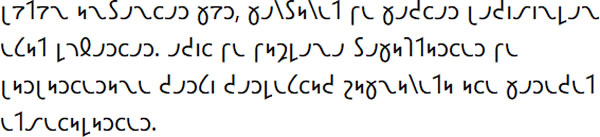
New constructed script: Sleep Token Alphabet, a cypher for English that appears on album artwork and merch for the band Sleep Token.

Sample text in English in the Sleep Token Alphabet

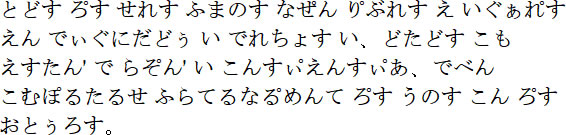
This week on the Omniglot blog we find out whether the words (ham)burger, burgher and burglar are related in a post called Burgling Burg(h)ers, and there’s the usual Language Quiz. See if you can guess what language this is:

Here’s a clue: this language is spoken in French Polynesia.

The mystery language in last week’s language quiz was Makaa (mǝ́kaá), a Bantu language spoken in the East Region of Cameroon.

In this week’s Adventure in Etymology we investigate the origins of the word Nemesis.

It’s also available on Instagram and TikTok.

On the Celtiadur blog there’s a new post entitled Sighing Groans about words for sigh, groan and related things in Celtic languages.

In other news, I started using the Ling App [affiliate link] to learn some more Cantonese this week. I’ve studied Cantonese before, and have forgotten a lot, but it’s now coming back to me. Ling is similar to Duolingo in the style of lessons, and offers courses in 60+ languages. You can get a free trial on the 1-year subscription, after which you have to pay. I may review it when I’ve spent more time on it, but so far I’m finding it useful and well-put together.

Language skills in just 10 minutes a day with Ling

For more Omniglot News, see:
https://www.omniglot.com/news/
https://www.facebook.com/groups/omniglot/
https://www.facebook.com/Omniglot-100430558332117

JapanesePod101.com

You can also listen to this podcast on: Apple Podcasts, Amazon Music, TuneIn and Podchaser.

If you would like to support this podcast, you can make a donation via PayPal or Patreon, or contribute to Omniglot in other ways.


Radio Omniglot podcasts are brought to you in association with Blubrry Podcast Hosting, a great place to host your podcasts. Get your first month free with the promo code omniglot.


Unlimited Web Hosting - Kualo

Omniglot News (26/10/25)

Omniglot News

Here’s the latest news from the world of Omniglot.

New language pages:

  • Bangolan (Bǎŋgulaŋ), an Eastern Grassfields language spoken in the Northwest Province of Cameroon.
  • Chopi (Cicopi), a Southern Bantu language spoken mainly in Inhambane Province in southern Mozambique.
  • Palembang (Baso Pelémbang / باسو ڤليمباڠ‎), a Malayic language spoken in Palembang in South Sumatra Province in Indonesia.

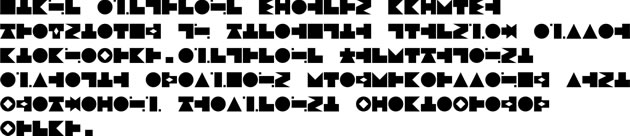
New constructed script: Neo Alfabet, a phonetic script created by François Toulot to write almost any language.

Sample texts in Neo Alfabet

New numbers pages:

  • Bangolan (Bǎŋgulaŋ), an Eastern Grassfields language spoken in the Northwest Province of Cameroon.
  • Arta, a Northern Luzon language spoken in northern Luzon in the Philippines.

New family words pages:

  • Gothic (𐌲𐌿𐍄𐌹𐍃𐌺𐌰), an East Germanic language spoken in parts of Crimea until the 17th century.
  • Alsatian (Ëlsässisch), a West Germanic language spoken mainly in Alsace in northeastern France.

This week on the Omniglot blog we find out when a forest is not a forest in a post called Sylvan Forests, and there’s the usual Language Quiz. See if you can guess what language this is:

Here’s a clue: this language is spoken in southern Cameroon.

The mystery language in last week’s language quiz was Yerakula (ஏறுகள), a Dravidian language spoken in Andhra Pradesh, in the southeast of India.

In this week’s Adventure in Etymology we search the ether for the elemental origins of the word Quintessence.

It’s also available on Instagram and TikTok.

On the Celtiadur blog there’s a new post entitled Pithy Marrow about words for (bone) marrow, pith and related things in Celtic languages.

For more Omniglot News, see:
https://www.omniglot.com/news/
https://www.facebook.com/groups/omniglot/
https://www.facebook.com/Omniglot-100430558332117

JapanesePod101.com

You can also listen to this podcast on: Apple Podcasts, Amazon Music, TuneIn and Podchaser.

If you would like to support this podcast, you can make a donation via PayPal or Patreon, or contribute to Omniglot in other ways.


Radio Omniglot podcasts are brought to you in association with Blubrry Podcast Hosting, a great place to host your podcasts. Get your first month free with the promo code omniglot.
Unlimited Web Hosting - Kualo

Omniglot News (12/10/25)

Omniglot News

Here’s the latest news from the world of Omniglot.

New language pages:

  • Baba (Supapyag), an Eastern Grassfields language spoken in the North West Region of Cameroon.
  • Bamukumbit (Maŋkɔŋ), an Eastern Grassfields language spoken in the North West Region of Cameroon.
  • Sawai, a South Halmahera language spoken on Halmahera island in North Maluku Province in Indonesia.

New numbers pages:

  • Khowar (کھووار), a Dardic language spoken mainly in northern Pakistan, and also in India.
  • Baba (Supapyag), a Bantu language spoken in the North West Region of Cameroon.
  • Sawai), a South Halmahera language spoken on Halmahera island in North Maluku Province in Indonesia.

New idiom: When the Cat’s Away (the mice will play)

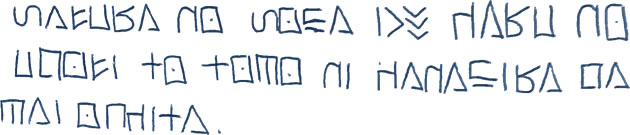
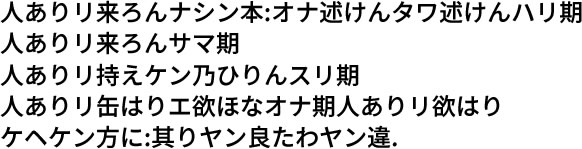
New constructed script: Atʼákaz bee yádeiiltiʼí, an alternative script for Navajo invented by Nicholas Fox.

Sample text in Navajo in the Atʼákaz bee yádeiiltiʼí script

On the Omniglot blog there’s a new post entitled Gluten Glue in which we find links between the words glue, gluten and clay, and there’s the usual Language Quiz. See if you can guess what language this is:

Here’s a clue: this language is spoken in British Colombia in Canada.

The mystery language in last week’s language quiz was Dhao, a Sumba-Flores language spoken on Ndao, one of the Lesser Sunda Islands in East Nusa Tenggara Province in Indonesia.

Unfortunately I couldn’t find any words of Celtic origin in non-Celtic languages for this week’s Celtic Pathways podcast, so after 94 episodes, I’ve decided to take a break. I’ll be back with more Adventures in Etymology next week.

On the Celtiadur blog there’s a new post about words for Awls & Bodkins in Celtic languages.

Improved pages: Phoenician numbers and Khowar language pages

In other news, my Duolingo streak reached 3,000 days this week (3,004 at the time of writing). Or in other words, for the past 8 years or so, I’ve studied languages every single day. At the moment I’m learning Swahili, and maintaining my other languages, particularly Japanese, Spanish and Italian.

For more Omniglot News, see:
https://www.omniglot.com/news/
https://www.facebook.com/groups/omniglot/
https://www.facebook.com/Omniglot-100430558332117

JapanesePod101.com

You can also listen to this podcast on: Apple Podcasts, Amazon Music, TuneIn and Podchaser.

If you would like to support this podcast, you can make a donation via PayPal or Patreon, or contribute to Omniglot in other ways.


Radio Omniglot podcasts are brought to you in association with Blubrry Podcast Hosting, a great place to host your podcasts. Get your first month free with the promo code omniglot.
Unlimited Web Hosting - Kualo

Celtic Pathways – Announcement

Celtic Pathways

I couldn’t find any words of Celtic origin in non-Celtic languages for this week’s Celtic Pathways podcast, so after 94 episodes, I’ve decided to take a break. I’ll be back with more Adventures in Etymology next week.

There are plenty of place names throughout Europe that have Celtic roots – see Celtic toponymy on Wikipedia. However, for the Celtic Pathways podcasts, I like to find words that have descendants in at least some of the modern Celtic languages, as well as words from the same Celtic roots in other languages. If I find any more like this, I will make more episodes of Celtic Pathways.

Omniglot News (05/10/25)

Omniglot News

Here’s the latest news from the world of Omniglot.

New language pages:

  • Ushoji (اُݜوجو), an Eastern Dardic language spoken mainly in the Swat District in the Khyber Pakhtunkhwa Province in northwest Pakistan.
  • Aer (آیر), a Western Indo-Aryan language spoken in Sindh in Pakistan and Gujarat in India.
  • Dameli (دمیلی), a Dardic language spoken in the Khyber Pakhtunkhwa Province in northwest Pakistan.
  • Wandala, a Chadic language spoken in northern Cameroon and northwestern Nigeria.

New numbers pages:

  • Ushoji (اُݜوجو), an Eastern Dardic language spoken in the Khyber Pakhtunkhwa Province in northwest Pakistan.
  • Dameli (دمیلی), a Dardic language spoken in the Khyber Pakhtunkhwa Province in northwest Pakistan.
  • Secoya (Paikoka), a Tucanoan language spoken in northern Ecuador and northern Peru.

New adapted script: Cyrilice (Цырилице), a way to write Czech with the Cyrillic script devised by Marc Mundet.

Вшиъхи лидеъ се родиъ свободниъ а собѣ ровниъ со до дуъстойности а праъв. Йсо̌ надаъни розумем а свѣдомиъм а майиъ сполу йеднат в духъу братрствиъ.

On the Omniglot blog there a new post entitled Shearing Scissors in which we find out why word scissors have a silent c in it, and whether it’s related to the word shears, and there’s the usual Language Quiz. See if you can guess what language this is:

Here’s a clue: this language is spoken in the Lesser Sunda Islands in Indonesia.

The mystery language in last week’s language quiz was Gottscheerish (Göttscheabarisch), a West Germanic language spoken mainly in southern Slovenia, and in New York in the USA.

In this week’s Adventure in Etymology, Fishing for Fish, we’re fishing for the origins of the word fish and related words.

It’s also available on Instagram and TikTok.

On the Celtiadur blog there’s a new post entitled Sticky Glue about words for glue, to stick and related things in the Celtic languages.

For more Omniglot News, see:
https://www.omniglot.com/news/
https://www.facebook.com/groups/omniglot/
https://www.facebook.com/Omniglot-100430558332117

JapanesePod101.com

You can also listen to this podcast on: Apple Podcasts, Amazon Music, TuneIn and Podchaser.

If you would like to support this podcast, you can make a donation via PayPal or Patreon, or contribute to Omniglot in other ways.


Radio Omniglot podcasts are brought to you in association with Blubrry Podcast Hosting, a great place to host your podcasts. Get your first month free with the promo code omniglot.

Unlimited Web Hosting - Kualo

Omniglot News (28/09/25)

Omniglot News

Here’s the latest news from the world of Omniglot.

New language pages:

  • Turu (Kιnyatυrυ, Kιrιmi), a Bantu language spoken in the Singida Region in central Tanzania.
  • Pnar (Ka Ktien Pnar), a Khasi-Palaungic language spoken in northeastern India and northeastern Bangladesh.
  • Wenzi (LiWenzi), a Bantu language spoken in the Kigoma Region in northwestern Tanzania.
  • Dimasa (Grao-Dima), a Brahmaputran language spoken in Assam, Nagaland and Manipur in the northeast of India.

New numbers pages:

  • Tz’utujil (Tz’utujiil), a Mayan language spoken in the Western Highlands of Guatemala.
  • Dimasa (Grao-Dima), a Brahmaputran language spoken in Assam, Nagaland, Meghalaya and Mizoram in the northeast of India.
  • Tuyuca (Docapúaraye), an Eastern Tucanoan language spoken mainly in southeastern Colombia, and also in northwestern Brazil.

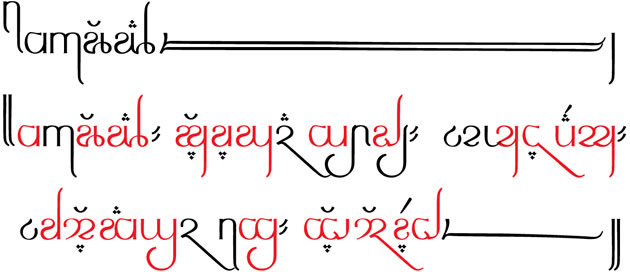
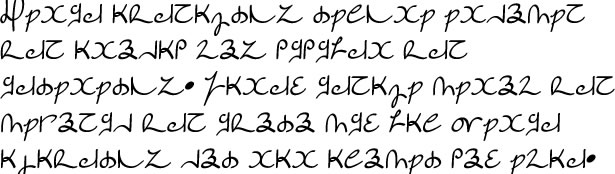
New constructed script: Latillawa, an alternative way to write Hindi inspired by the Pallawa script devised by Ezekiel-James.

Sample text in Latillawa

New adapted script: Cirth for Hungarian, a way to write Hungarian using Tolkien’s Cirth alphabet devised by Murray Callahan.

Sample text in Cirth for Hungarian

On the Omniglot blog there a new post entitled Select Choices in which we look at some Swahili words for selection, choice, listening and related things, and there’s the usual Language Quiz. See if you can guess what language this is:

Here’s a clue: this language is spoken mainly in New York in the USA.

The mystery language in last week’s language quiz was Awa Pit (Cuaiquer), a Barbacoan language spoken in southern Colombia and northern Ecuador.

In this week’s Celtic Pathways podcast, Rich Kingdoms, we discover the Celtic roots of words for kingdom, rich and related things in Germanic, Romance and other languages.

It’s also available on Instagram and TikTok.

On the Celtiadur blog there’s a new post entitled Crested Combs about words for comb, crest and related things in the Celtic languages.

For more Omniglot News, see:
https://www.omniglot.com/news/
https://www.facebook.com/groups/omniglot/
https://www.facebook.com/Omniglot-100430558332117

JapanesePod101.com

You can also listen to this podcast on: Apple Podcasts, Amazon Music, TuneIn and Podchaser.

If you would like to support this podcast, you can make a donation via PayPal or Patreon, or contribute to Omniglot in other ways.


Radio Omniglot podcasts are brought to you in association with Blubrry Podcast Hosting, a great place to host your podcasts. Get your first month free with the promo code omniglot.
Unlimited Web Hosting - Kualo

Omniglot News (14/09/25)

Omniglot News

Here’s the latest news from the world of Omniglot.

New language pages:

  • Rangi (Kɨlaangi), a Bantu language spoken in the Kondoa District of the Dodoma Region in central Tanzania.
  • Suabo (nidáibo), a Trans-New Guinea language spoken in Southwest Papua Province in eastern Indonesia.
  • Oko (Ọ̀kọ), a Volta-Niger language spoken mainly in the Ogori-Magongo LGA in Kogi State in the south of Nigeria.
  • Northern Popoloca (Ngigua / Ngiiwa̱), a Popolocan language spoken in the state of Puebla in southern Mexico.

New numbers pages:

  • Suabo (nidáibo), a Trans-New Guinea language spoken in Southwest Papua Province in eastern Indonesia.
  • Oko (Ọ̀kọ), a Volta-Niger language spoken mainly in the Ogori-Magongo LGA in Kogi State in the south of Nigeria.
  • Tai Laing (တႆးလꧥင်ꩽ), a Southwestern Tai language spoken in the Sagaing Region and in Kachin State in northern Myanmar.

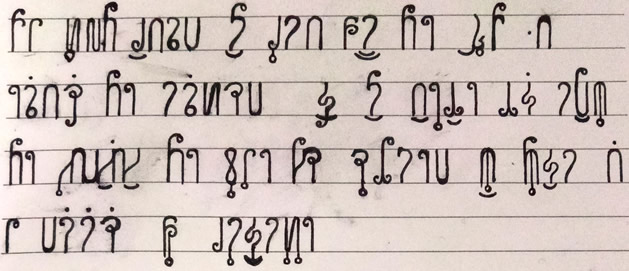
New adapted script: Finnish Runes (ᛋᚢᚮᛗᛆᛚᛆᛁᛋᛖᛏ ᚱᛁᛁᛗᚢᛏ), a way to write Finnish using the Runic alphabet devised by Murray Callahan.

Sample text in Finnish Runes

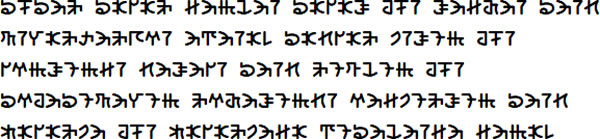
New adapted script: Katalog (𑼒𑼔𑼭𑼴𑼔𑽁), a way to write Tagalog with the Kawi script divised by Chen Carson D. Callueng.

Sample text in Katalog

On the Omniglot blog there’s a new post entitled Nesting Niches in which we find connections between the words niche and nest, and there’s the usual Language Quiz. See if you can guess what language this is:

Here’s a clue: this language is spoken in the northeast of India.

The mystery language in last week’s language quiz was Even (эвэды торэн), a Northern Tungusic language spoken mainly in the Sakha, Northern Magadan, Chukot and Koryak regions in the Far Eastern Federal District of the Russian Federation.

In this week’s Celtic Pathways podcast, Engaged Hostages, we discover the Celtic roots of words for hostage in Germanic languages, and words related to engagement in Finnic languages.

It’s also available on Instagram and TikTok.

On the Celtiadur blog there’s a new post entitled Winnowing Wheat about words for wheat, winnowing and related things in Celtic languages

Improved page: Kawi script.

In other news, the number of subscribers to the Omniglot YouTube channel passed 3,000 this week, and I’d like to thank everyone who has subscribed to the channel. If you’re not aware of the channel, it’s been there since 2007, you can find it at youtube.com/@omniglot. It contains videos versions of Adventures in Etymology, Celtic Pathways and other Radio Omniglot podcasts, videos of songs and tunes I’ve written, and videos of linguistic and musical events I’ve taken part in.

For more Omniglot News, see:
https://www.omniglot.com/news/
https://www.facebook.com/groups/omniglot/
https://www.facebook.com/Omniglot-100430558332117

JapanesePod101.com

You can also listen to this podcast on: Apple Podcasts, Amazon Music, TuneIn and Podchaser.

If you would like to support this podcast, you can make a donation via PayPal or Patreon, or contribute to Omniglot in other ways.


Radio Omniglot podcasts are brought to you in association with Blubrry Podcast Hosting, a great place to host your podcasts. Get your first month free with the promo code omniglot.
Unlimited Web Hosting - Kualo

Omniglot News (07/09/25)

Omniglot News

Here’s the latest news from the world of Omniglot.

New language pages:

  • Inuinnaqtun (ᐃᓄᐃᓐᓇᖅᑐᓐ‎), an Inuit language spoken in Nunavut and the Northwest Territories in northern Canada.
  • Pare (Kipare), a Northeast Coast Bantu language spoken the Kilimanjaro Region in northeastern Tanzania.
  • Kwamera (Nɨninɨfe), a Southern Oceanic language spoken on Tanna Island in Tafea Province in the south of Vanuatu.

New numbers pages:

  • Inuinnaqtun (ᐃᓄᐃᓐᓇᖅᑐᓐ‎), an Inuit language spoken in Nunavut and the Northwest Territories in northern Canada.
  • Kwamera (Nɨninɨfe), a Southern Oceanic language spoken on Tanna Island in Tafea Province in the south of Vanuatu.
  • Luchazi (Chiluchazi), a Bantu language spoken mainly in Angola, and also in Zambia and Namibia.

New constructed script: Mata Kain, an alternative script for Malay and Indonesian created by Muhammad Rasyid Taufiqul Hafidz and inspired by traditional Malay weaving patterns.

Sample text in Mata Kain

New constructed script: Artist’s Neo-English, an alternative way to write English designed by Nixon Nguyen.

Sample text in Artist's Neo-English

On the Omniglot blog there a new post entitled Yielding Payment in which we find connections between the word yield and payments, tax and gold, and there’s the usual Language Quiz. See if you can guess what language this is:

Here’s a clue: this language is spoken in Siberia.

The mystery language in last week’s language quiz was Xârâcùù, a Southern New Caledonian language spoken in the North Province of New Caledonia.

In this week’s Adventure in Etymology, Unkempt Combs, we find links between the words unkempt, comb and cam, and find out whether you be just kempt.

It’s also available on Instagram and TikTok.

On the Celtiadur blog there’s a new post entitled Winnowing Wheat about words for wheat, winnowing and related things in Celtic languages

For more Omniglot News, see:
https://www.omniglot.com/news/
https://www.facebook.com/groups/omniglot/
https://www.facebook.com/Omniglot-100430558332117

JapanesePod101.com

You can also listen to this podcast on: Apple Podcasts, Amazon Music, TuneIn and Podchaser.

If you would like to support this podcast, you can make a donation via PayPal or Patreon, or contribute to Omniglot in other ways.


Radio Omniglot podcasts are brought to you in association with Blubrry Podcast Hosting, a great place to host your podcasts. Get your first month free with the promo code omniglot.

Unlimited Web Hosting - Kualo

Omniglot News (31/08/25)

Omniglot News

Here’s the latest news from the world of Omniglot.

New language pages:

  • Naman, a Southern Oceanic language spoken on Malekula Island in central Vanuatu.
  • Mbugu (kiMbugu) / Maʼa (kiMaʼa), a Bantu language spoken in the Lushoto District in the Tanga Region in the northeast of Tanzania.
  • Mwerlap (N̄wërlap), a Southern Oceanic language spoken in the Banks Islands in Torba Province of Vanuatu.

New adapted script: Tang-galog (𗒨𗓸𗈒𗄀𗄻𗄀𗈒), a way to write Tagalog with the Tangut script devised by Chen Carson D. Callueng.

Sample text in Tang-galog

New adapted script: New Futhorch (ᚾᚣᚹ ᚠᚢᚧᚩᚱᚳ), a way to write Modern English with Old English / Anglo-Saxon runes devised by John Higgins.

Sample text in New Futhorch

New numbers pages:

  • Naman, a Southern Oceanic language spoken on Malekula Island in central Vanuatu.
  • Mwerlap (N̄wërlap), a Southern Oceanic language spoken in the Banks Islands in Torba Province of Vanuatu.
  • Newar (नेपाल भाषा), a Tibeto-Burman language spoken mainly in central Nepal, and also in northern India.

On the Omniglot blog there a new post entitled Facting Facts about the verbification of the word fact, and other fact-related factlets, factettes and factoids, and there’s the usual Language Quiz. See if you can guess what language this is:

Here’s a clue: this language is spoken in New Caledonia.

The mystery language in last week’s language quiz was Iramba (Nilamba), a Bantu language spoken in the Singida Region in central Tanzania.

In this week’s Celtic Pathways podcast, Birches, we unearth the Celtic roots of words birch (tree) in various languages.

It’s also available on Instagram and TikTok.

On the Celtiadur blog there’s a new post entitled Coughing about words for cough and various other things in Celtic languages, and I made improvements to the posts entitled To Choke and Birch (Trees).

Eastgate, Chester

In other news, I spent yesterday exploring Chester with Richard Simcott and Israel Lai (see photo below), friends I know from language-related events. Richard was our guide – he grew up in Chester and has relatives there, although he lives in North Macedonia. He’s studied even more languages than I have, runs the Speaking Fluently blog, and is the organiser of the Polyglot Conference and other language-related events. Israel is a composer, language enthusiast and podcaster from Hong Kong, who lives in Mancester, where he did a PhD in music composition. He has also studied many languages, including Welsh, and runs the blog Rhapsody in Lingo and a podcast 絮言.狂想 (seoi5jin4 kwong4soeng2), which discusses language and linguistics in Cantonese. We had a great time exploring the city and nerding out about language-related things.

Chester canal

More of my photos of Chester

For more Omniglot News, see:
https://www.omniglot.com/news/
https://www.facebook.com/groups/omniglot/
https://www.facebook.com/Omniglot-100430558332117

JapanesePod101.com

You can also listen to this podcast on: Apple Podcasts, Amazon Music, TuneIn and Podchaser.

If you would like to support this podcast, you can make a donation via PayPal or Patreon, or contribute to Omniglot in other ways.


Radio Omniglot podcasts are brought to you in association with Blubrry Podcast Hosting, a great place to host your podcasts. Get your first month free with the promo code omniglot.
Unlimited Web Hosting - Kualo

Omniglot News (24/08/25)

Omniglot News

Here’s the latest news from the world of Omniglot.

New language pages:

  • Kwangali (Rukwangali), a Bantu language spoken in northern Namibia and southern Angola.
  • Lega (Kilega), a Bantu language spoken in the west of the Democratic Republic of the Congo.
  • Lomwe (Elomwe / Emakhuwa), a Bantu language spoken in northern Mozambique and southern Malawi.

New numbers pages:

  • Kwangali (Rukwangali), a Bantu language spoken in northern Namibia and southern Angola.
  • Lomwe (Elomwe / Emakhuwa), a Bantu language spoken in northern Mozambique and southern Malawi.
  • Lhomi (ल्होमी‎), a Central Bodish language spoken mainly in eastern Nepal, and also in China and India.
  • Makassarese (Basa Mangkasara’ / ᨅᨔ ᨆᨀᨔᨑ), a South-Sulawesi language spoken in South Sulawesi Province in Indonesia.

New phrases pages:

  • Kwangali (Rukwangali), a Bantu language spoken in northern Namibia and southern Angola.
  • Bless you! – phrases to use when someone sneezes in many languages.

New Tower of Babel translation:

  • Kwangali (Rukwangali), a Bantu language spoken in northern Namibia and southern Angola.
  • Lomwe (Elomwe / Emakhuwa), a Bantu language spoken in northern Mozambique and southern Malawi.

On the Omniglot blog there a new post entitled Knobbly Monsters about the creative ways journalists use to avoid repeating key words in their articles, and there’s the usual Language Quiz. See if you can guess what language this is:

Here’s a clue: this language is spoken in Tanzania.

The mystery language in last week’s language quiz was Aheri Gondi (कोयम‎ / गोंडी‎), a Dravidian language spoken mainly in the Indian states of Maharashtra and Telangana.

In this week’s Adventure in Etymology, Sticky Climbs, we uncover the sticky roots of the word climb.

It’s also available on Instagram and TikTok.

On the Celtiadur blog there’s a new post entitled Shameful Disgrace about words for shame, disgrace and various other things in Celtic languages.

New song: It’s All Greek To Me, a song I wrote based on idioms that mean that things are incompehensible.

For more Omniglot News, see:
https://www.omniglot.com/news/
https://www.facebook.com/groups/omniglot/
https://www.facebook.com/Omniglot-100430558332117

JapanesePod101.com

You can also listen to this podcast on: Apple Podcasts, Amazon Music, TuneIn and Podchaser.

If you would like to support this podcast, you can make a donation via PayPal or Patreon, or contribute to Omniglot in other ways.


Radio Omniglot podcasts are brought to you in association with Blubrry Podcast Hosting, a great place to host your podcasts. Get your first month free with the promo code omniglot.

Unlimited Web Hosting - Kualo