Omniglot News (24/08/25)

Omniglot News

Here’s the latest news from the world of Omniglot.

New language pages:

  • Kwangali (Rukwangali), a Bantu language spoken in northern Namibia and southern Angola.
  • Lega (Kilega), a Bantu language spoken in the west of the Democratic Republic of the Congo.
  • Lomwe (Elomwe / Emakhuwa), a Bantu language spoken in northern Mozambique and southern Malawi.

New numbers pages:

  • Kwangali (Rukwangali), a Bantu language spoken in northern Namibia and southern Angola.
  • Lomwe (Elomwe / Emakhuwa), a Bantu language spoken in northern Mozambique and southern Malawi.
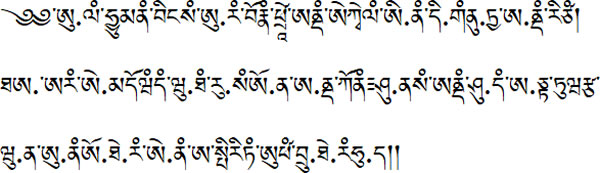
  • Lhomi (ल्होमी‎), a Central Bodish language spoken mainly in eastern Nepal, and also in China and India.
  • Makassarese (Basa Mangkasara’ / ᨅᨔ ᨆᨀᨔᨑ), a South-Sulawesi language spoken in South Sulawesi Province in Indonesia.

New phrases pages:

  • Kwangali (Rukwangali), a Bantu language spoken in northern Namibia and southern Angola.
  • Bless you! – phrases to use when someone sneezes in many languages.

New Tower of Babel translation:

  • Kwangali (Rukwangali), a Bantu language spoken in northern Namibia and southern Angola.
  • Lomwe (Elomwe / Emakhuwa), a Bantu language spoken in northern Mozambique and southern Malawi.

On the Omniglot blog there a new post entitled Knobbly Monsters about the creative ways journalists use to avoid repeating key words in their articles, and there’s the usual Language Quiz. See if you can guess what language this is:

Here’s a clue: this language is spoken in Tanzania.

The mystery language in last week’s language quiz was Aheri Gondi (कोयम‎ / गोंडी‎), a Dravidian language spoken mainly in the Indian states of Maharashtra and Telangana.

In this week’s Adventure in Etymology, Sticky Climbs, we uncover the sticky roots of the word climb.

It’s also available on Instagram and TikTok.

On the Celtiadur blog there’s a new post entitled Shameful Disgrace about words for shame, disgrace and various other things in Celtic languages.

New song: It’s All Greek To Me, a song I wrote based on idioms that mean that things are incompehensible.

For more Omniglot News, see:
https://www.omniglot.com/news/
https://www.facebook.com/groups/omniglot/
https://www.facebook.com/Omniglot-100430558332117

JapanesePod101.com

You can also listen to this podcast on: Apple Podcasts, Amazon Music, TuneIn and Podchaser.

If you would like to support this podcast, you can make a donation via PayPal or Patreon, or contribute to Omniglot in other ways.


Radio Omniglot podcasts are brought to you in association with Blubrry Podcast Hosting, a great place to host your podcasts. Get your first month free with the promo code omniglot.

Unlimited Web Hosting - Kualo

Omniglot News (10/08/25)

Omniglot News

Here’s the latest news from the world of Omniglot.

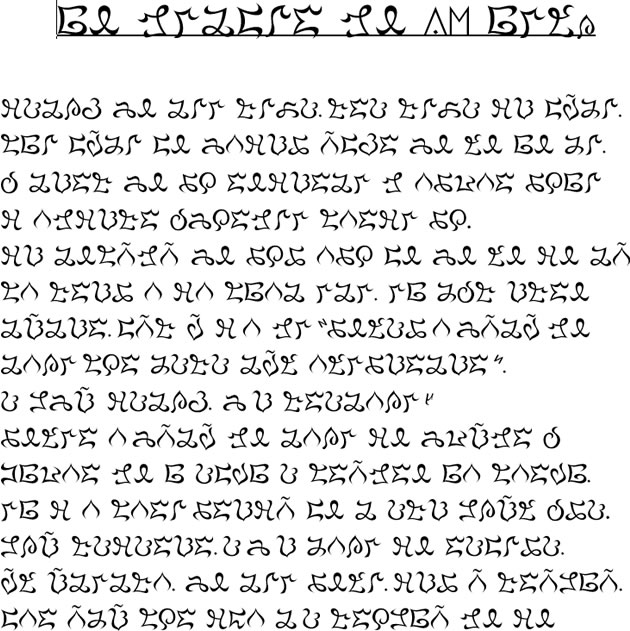
New constructed script: Urup Bidayuh’, which was created by Reza Sumanda as a way to write Biatah (Bidayuh), a Land Dayak language spoken in West Kalimantan in Indonesia, and Sarawak in Malaysia.

Sample text in Urup Bidayuh’

New language pages:

  • Luang (Letri Lgona), a Timoric language spoken in the Leti and Babar Islands in Maluku Province in southern Indonesia.
  • Tsudaqar (цӀудхърила мец), a Northeast Caucasian language spoken in southern Dagestan in the southwest of the Russian Federation.
  • Bukar-Sadong (Bidayŭh Bukar-Sadung), a Land Dayak language spoken in Sarawak in Malaysia, and in West Kalimantan in Indonesia.

New numbers pages:

  • Bukar–Sadong (Bidayŭh Bukar-Sadung), a Land Dayak language spoken in Sarawak in Malaysia, and in West Kalimantan in Indonesia.
  • Kim (kwasap), an Mbum-Day language spoken in southwestern Chad.
  • Xong (Dut Xonb), a Hmong-Mien language spoken mainly in Hunan Province in southern China.

On the Omniglot blog we discover whether the words cargo and car are related in post called A Cargo of Cars, and there’s the usual Language Quiz. See if you can guess what language this is:

Here’s a clue: this language was spoken in Ontario in Canada and Oklahoma in the USA, and is currently being revived.

The mystery language in last week’s language quiz was Rutul (мыхӏабишды‎), a Lezgic language spoken in the Republic of Dagestan in the southwest of Russia.

In this week’s Adventure in Etymology we find out what links helicopters, Roger Federer and Feathers.

It’s also available on Instagram and TikTok.

On the Celtiadur blog there’s a new post entitled Ashy Embers about words for ash, embers, cinders etc, and I made improvements to the post about Wings and related things.

Improved page: Kaitag language page.

In other news, I finished all the Italian lessons on Duolingo this week, and I’m continuing to study Swahili. I may learn some more of one of the languages I’ve already studied in the past, or try a new language. I haven’t decided which one yet. So far, I’ve completed Duolingo courses in Spanish, Japanese, Italian, Scottish Gaelic, Danish, Swedish, Dutch, Irish, Finnish, Czech, Russian, Mandarin Chinese, Esperanto and Romanian.

For more Omniglot News, see:
https://www.omniglot.com/news/
https://www.facebook.com/groups/omniglot/
https://www.facebook.com/Omniglot-100430558332117

JapanesePod101.com

You can also listen to this podcast on: Apple Podcasts, Amazon Music, Stitcher, TuneIn, Podchaser, PlayerFM or podtail.

If you would like to support this podcast, you can make a donation via PayPal or Patreon, or contribute to Omniglot in other ways.


Radio Omniglot podcasts are brought to you in association with Blubrry Podcast Hosting, a great place to host your podcasts. Get your first month free with the promo code omniglot.
Unlimited Web Hosting - Kualo

Omniglot News (03/08/25)

Omniglot News

Here’s the latest news from the world of Omniglot.

New constructed script: Urup Bakatiʼ, which was created by Reza Sumanda as a way to write Bakatiʼ, a Land Dayak language spoken in West Kalimantan in Indonesia.

Sample text in Urup Bakatiʼ

New language pages:

  • Bakatiʼ, a Land Dayak language spoken in West Kalimantan in Indonesia.
  • Koro (Kōrō), a North-Central Vanuatu language spoken on Gaua Island in Torba Province in northern Vanuatu.
  • Mota, a North-Central Vanuatu language spoken on Mota Island in Torba Province in northern Vanuatu.
  • Guna (Dulegaya), a Chibchan language spoken in northern Colombia and southern Panama.

New numbers pages:

  • Batak Karo (cakap Karo), a Northern Batak language spoken in the provinces of Aceh and North Sumatra in Indonesia.
  • Bouyei (Haausqyaix), a Tai-Kaidai language spoken mainly in Guizhou Province in southern China, and also in northern Vietnam.
  • Dioula (Julakan), a Western Mande language spoken in Burkina Faso, Ivory Coast and Mali.

On the Omniglot blog we look at the world through rose-tinted spectacles and discover that everything is coming up roses as we investigate some rose-related expressions in a post entitled Rose-Tinted, and there’s the usual Language Quiz. See if you can guess what language this is:

Here’s a clue: this language is spoken in the southwest of Russia.

The mystery language in last week’s language quiz was: North Ambryn (Ranon) a North-Central Vanuatu language spoken on Ambryn Island in Malampa Province in the north of Vanuatu.

In this week’s Celtic Pathways podcast, Sunwise, we unravel the Celtic origins of the English word desieal (the direction of the sun, right-hand side).

It’s also available on Instagram and TikTok.

On the Celtiadur blog there’s a new post entitled First Things First about words for first, before, previous and related things, and I made improvements to the post about words for To Seek and related things in Celtic languages.

Improved page: Kven phrases

New song: Discombobulation

This recording features me on vocals, guitar, cavaquinho, descant recorder, tenor recorder and (GarageBand) drums. It’s also available on SoundCloud.

For more Omniglot News, see:
https://www.omniglot.com/news/
https://www.facebook.com/groups/omniglot/
https://www.facebook.com/Omniglot-100430558332117

JapanesePod101.com

You can also listen to this podcast on: Apple Podcasts, Amazon Music, Stitcher, TuneIn, Podchaser, PlayerFM or podtail.

If you would like to support this podcast, you can make a donation via PayPal or Patreon, or contribute to Omniglot in other ways.


Radio Omniglot podcasts are brought to you in association with Blubrry Podcast Hosting, a great place to host your podcasts. Get your first month free with the promo code omniglot.

Unlimited Web Hosting - Kualo

Omniglot News (27/07/25)

Omniglot News

Here’s the latest news from the world of Omniglot.

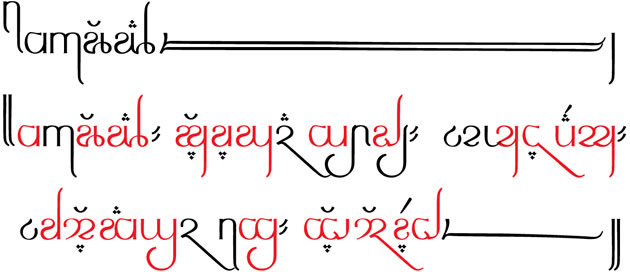
New constructed script: Saramukhi, an alternative script for Indonesian and English created by Reza Sumanda and inspired by the Devanagari and Marchen scripts.

Sample text in Indonesian in the Saramukhi Alphabet

New adapted script: Groeg (κροηκ​​), a way to write Welsh with the Greek alphabet devised by Xavier Merica.

Sample text in the Groeg Alphabet

New language pages:

  • Fwe (Chifwe), a Bantu language spoken in northeast Namibia and southwest Zambia.
  • Giryama (Kigiryama), a Bantu language spoken in Kilifi County in southeast Kenya.
  • Kalanga, (TjiKalanga / Ikalanga), a Southern Bantu language spoken in southwestern Zimbabwe and northeastern Botswana.

New numbers pages:

  • Giryama (Kigiryama), a Bantu language spoken in Kilifi County in southeast Kenya.
  • Isinai, a Northern Luzon language spoken in Nueva Vizcaya Province in Luzon in the Philippines.
  • Karai-Karai (bo Karaikarai), a West Chadic language spoken mainly in Yobe State in the northeast of Nigeria.

On the Omniglot blog we find out whether the words gig, jig and the German word Geige (violin) are connected in a post entitled Gigs, Jigs & Fiddles, and there’s the usual Language Quiz. See if you can guess what language this is:

Here’s a clue: this language is spoken in Vanuatu.

The mystery language in last week’s language quiz was: Kituba, a Kikongo-based creole spoken in Republic of the Congo and the Democratic Republic of the Congo.

In this week’s Adventure in Etymology, Discombobulation, we investigate the word discombobulate and related words.

It’s also available on Instagram and TikTok.

On the Celtiadur blog there’s a new post entitled Each & Every about words for each, every, all and related things in Celtic languages.

For more Omniglot News, see:
https://www.omniglot.com/news/
https://www.facebook.com/groups/omniglot/
https://www.facebook.com/Omniglot-100430558332117

JapanesePod101.com

You can also listen to this podcast on: Apple Podcasts, Amazon Music, Stitcher, TuneIn, Podchaser, PlayerFM or podtail.

If you would like to support this podcast, you can make a donation via PayPal or Patreon, or contribute to Omniglot in other ways.


Radio Omniglot podcasts are brought to you in association with Blubrry Podcast Hosting, a great place to host your podcasts. Get your first month free with the promo code omniglot.
Unlimited Web Hosting - Kualo

Omniglot News (20/07/25)

Omniglot News

Here’s the latest news from the world of Omniglot.

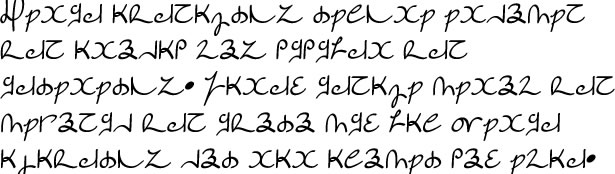
New phonetic script: Vniverall (Universal) Alphabet, which was created by Thomas Harriot in the 1580s as a way to write the Carolina Algonquian language.

Vniversall Alphabet

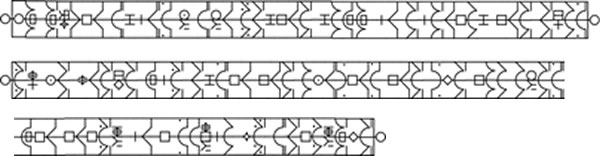
New constructed script: Ranting Mualang, which was created by Reza Sumanda as is a way to write Mualang, a Ibanic language spoken in West Kalimantan Province in Indonesia.

Sample text in the Ranting Mualang script

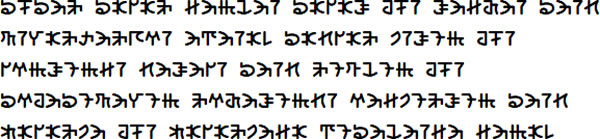
New adapted script: Hindica (हिन्दिट​​), a way to write Croatian, Serbian, Bosnian, etc with the Devanagari script devised by Melvin Hukarević.

Sample text in the Hindica Alphabet

New language pages:

  • Katu (Kơtu), a Katuic language spoken in central Vietnam and southeastern Laos.
  • Aushi (Ikyaushi), a Northeast Bantu language spoken in the northeast of Zambia and the southeast of the DRC.
  • Pacoh, (Pacóuh), a Katuic language spoken mainly in central Vietnam, and also in southern Laos.

New numbers pages:

  • Kutenai (ktunaxa), a language isolate spoken in Montana and Idaho in the USA, and British Columbia in Canada.
  • Pacoh, (Pacóuh), a Katuic language spoken mainly in central Vietnam, and also in southern Laos.

On the Omniglot blog we find out whether the words show, sheen and shine are connected in a post entitled Shiny Sheens Show, and there’s the usual Language Quiz. See if you can guess what language this is:

Here’s a clue: this language is spoken in Republic of the Congo and the Democratic Republic of the Congo.

The mystery language in last week’s language quiz was: Nukumanu, a Polynesian language spoken on Nukumanu Island in Bougainville province in Papua New Guinea.

In this week’s Celtic Pathways podcast, Shovelling Oars, we uncover the Celtic roots of words for oar, to row and related things in Basque.

It’s also available on Instagram and TikTok.

On the Celtiadur blog there’s a new post about words for Barrels, Tuns & Casks, and related things in Celtic languages.

Improved Celtiadur post: Thick

Here’s a new recording of a song I wrote in July 2012 called Chaos or The Tidy Person’s Lament – now with added chaos!

For more Omniglot News, see:
https://www.omniglot.com/news/
https://www.facebook.com/groups/omniglot/
https://www.facebook.com/Omniglot-100430558332117

JapanesePod101.com

You can also listen to this podcast on: Apple Podcasts, Amazon Music, Stitcher, TuneIn, Podchaser, PlayerFM or podtail.

If you would like to support this podcast, you can make a donation via PayPal or Patreon, or contribute to Omniglot in other ways.


Radio Omniglot podcasts are brought to you in association with Blubrry Podcast Hosting, a great place to host your podcasts. Get your first month free with the promo code omniglot.

Unlimited Web Hosting - Kualo

Omniglot News (13/07/25)

Omniglot News

Here’s the latest news from the world of Omniglot.

New writing system: Khom Thai, a descendent of the Old Khmer script used mainly to write religious texts in Pali, Sanskrit, Khmer, Thai and Lao.

The Khom Thai script on a Buddhist illustration
From: Wikimedia Commons, from the wellcome collection

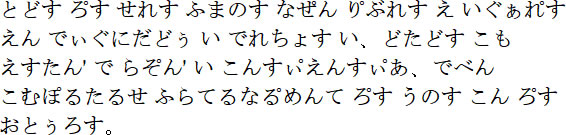
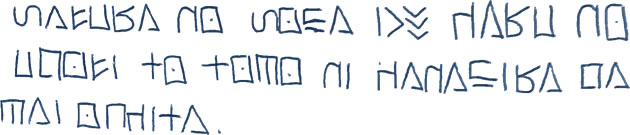
New constructed script: Hunter × Hunter Alphabet (ハンター文字), an alternative script for Japanese created by Yoshiro Togashi (冨樫義博) for use in his Hunter × Hunter (ハンター×ハンター) manga series.

Sample text in the Hunter × Hunter Alphabet

New language pages:

  • Taita (Kitaita), a Northeast Bantu language spoken in Uganda and the Democratic Republic of the Congo.
  • Suba (Olusuba), a Northeast Bantu language spoken in the southwest of Kenya.
  • Zulgo-Gemzek, a Chadic language, or two closely-related Chadic languages, spoken in the Far North Province of Cameroon.

New numbers pages:

  • Suba (Olusuba), a Northeast Bantu language spoken in Homa Bay County in the southwest of Kenya.
  • Toba Qom (Qom Laʼaqtac), a Guaicuruan language spoken mainly in Argentina, and also in Bolivia and Paraguay.
  • Serrano (Maarrênga’twich), an Uto-Aztecan language spoken in southern California in the USA.

New Tower of Babel translation: Taita (Kitaita), a Northeast Bantu language spoken in Uganda and the Democratic Republic of the Congo.

On the Omniglot blog we look into the origins of the phrase Pie in the Sky, and related phrases in English and other languages, and there’s the usual Language Quiz. See if you can guess what language this is:

Here’s a clue: this language is spoken in Bougainville in Papua New Guinea.

The mystery language in last week’s language quiz was: Ghomara (žamaεa / ⵖⵓⵎⴰⵔⴰ), a Northern Berber language spoken in northern Morocco.

In this week’s Adventure in Etymology, Enumerating Numbers, we untangle the roots of the word number and related words in English and other languages.

It’s also available on Instagram and TikTok.

On the Celtiadur blog there’s a new post about words for Who?, and related things in Celtic languages.

For more Omniglot News, see:
https://www.omniglot.com/news/
https://www.facebook.com/groups/omniglot/
https://www.facebook.com/Omniglot-100430558332117

JapanesePod101.com

You can also listen to this podcast on: Apple Podcasts, Amazon Music, Stitcher, TuneIn, Podchaser, PlayerFM or podtail.

If you would like to support this podcast, you can make a donation via PayPal or Patreon, or contribute to Omniglot in other ways.


Radio Omniglot podcasts are brought to you in association with Blubrry Podcast Hosting, a great place to host your podcasts. Get your first month free with the promo code omniglot.
Unlimited Web Hosting - Kualo

Omniglot News (06/07/25)

Omniglot News

Here’s the latest news from the world of Omniglot.

New language pages:

  • Talinga, a Northeast Bantu language spoken in Uganda and the Democratic Republic of the Congo.
  • Kobo (Kɨkobo) a Bantu language spoken in North Kivu Province in the northeast of the DRC.
  • West Teke (Teke-Tsaayi), a Bantu language spoken in the south of the DRC and southeast of Gabon.
  • Bana (kwə̀mà ká bàná), a Chadic language spoken in the Far North Region of Cameroon.

New constructed system: Karbi Adak, which was created by Ripu Rahang as an alternative way to write Karbi, a Tibeto-Burman language spoken in northern India.

Sample text in Karbi in the Karbi Adak script

New numbers pages:

  • Arabela (Tapweyokwaka), a Zaparoan language spoken in northern Peru.
  • Iquito (Ikíitu kuwasíini), a Zaparoan language spoken in northern Peru.
  • Bana (kwə̀mà ká bàná), a Chadic language spoken in the Far North Region of Cameroon.

On the Omniglot blog we investigate the Swahili word chumba (room), and related words for rooms and houses, in a post called Roomy Houses, and there’s the usual Language Quiz. See if you can guess what language this is:

Here’s a clue: this language is spoken in northern Morocco.

The mystery language in last week’s language quiz was: Mundari (মুণ্ডরি / मुण्डरि / ମୁଣ୍ଡରି / Muṇḍari), a Munda language spoken in India, Bangladesh and Nepal.

In this week’s Celtic Pathways podcast, Healing Medics, we discover the possibly Celtic roots of words for doctor in some Germanic languages.

It’s also available on Instagram and TikTok.

On the Celtiadur blog there’s a new post about words for flies, gnats, midges and other Wee Beasties, and I made improvements to the post about words for Small and Doctor.

Improved page: Iquito language page.

This is episode 200 of the Omniglot News, by the way.

For more Omniglot News, see:
https://www.omniglot.com/news/
https://www.facebook.com/groups/omniglot/
https://www.facebook.com/Omniglot-100430558332117

JapanesePod101.com

You can also listen to this podcast on: Apple Podcasts, Amazon Music, Stitcher, TuneIn, Podchaser, PlayerFM or podtail.

If you would like to support this podcast, you can make a donation via PayPal or Patreon, or contribute to Omniglot in other ways.


Radio Omniglot podcasts are brought to you in association with Blubrry Podcast Hosting, a great place to host your podcasts. Get your first month free with the promo code omniglot.

Unlimited Web Hosting - Kualo

Omniglot News (29/06/25)

Omniglot News

Here’s the latest news from the world of Omniglot.

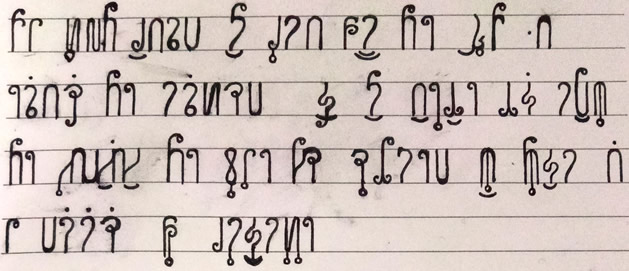
New writing system: Lai Tay, which was used to write Tai Yo, a Southwestern Tai langauge spoken in Vietnam, Laos and Thailand.

Sample text in the Lai Tay script for Lai Tay

New language pages:

  • Central Kilimanjaro, a Northeast Bantu language spoken mainly in Kilimanjaro Region in the northeast of Tanzania.
  • Tetela (Ɔtɛtɛla) a Bantu language spoken in the south of the Democratic Republic of the Congo.
  • Lengola (Ilengóla), a Bantu language spoken in Tshopo Province in the north of the Democratic Republic of the Congo.

New phrases page: Lengola.

New numbers pages:

  • Yazghulami (Йузда̄ми зәвәг), an Eastern Iranian language spoken mainly in the Gorno-Badakhshan Autonomous Region in eastern Tajikistan.
  • Jur Modo, a Central Sudanic spoken in the south west of South Sudan.
  • Aringa (Ãrị̃ngã), a Central Sudanic spoken in the West Nile region of Uganda.
  • Megleno-Romanian (vlășéște), an Eastern Romance language spoken in mainly in Greece and North Macedonia.

On the Omniglot blog we investigate some flabbergasting and rather ghastly words, and discover how the word ghost acquired its h, in a post called Gasting Flabbers, and there’s also the usual Language Quiz. See if you can guess what language this is:

Here’s a clue: this language is spoken mainly in the northeast of India, and also in Bangladesh and Nepal.

The mystery language in last week’s language quiz was: Sekani (Tse’khene), a Northern Athabaskan language spoken in British Columbia in Canada.

In this week’s Adventure in Etymology, we unravel the roots of the word Minon.

It’s also available on Instagram and TikTok.

On the Celtiadur blog there’s a new post entitled Memorable Memories about words for memory, to remember and other things that I’ve forgotten.

Improved page: Kapampangan and Pali language pages.

For more Omniglot News, see:
https://www.omniglot.com/news/
https://www.facebook.com/groups/omniglot/
https://www.facebook.com/Omniglot-100430558332117

JapanesePod101.com

You can also listen to this podcast on: Apple Podcasts, Amazon Music, Stitcher, TuneIn, Podchaser, PlayerFM or podtail.

If you would like to support this podcast, you can make a donation via PayPal or Patreon, or contribute to Omniglot in other ways.


Radio Omniglot podcasts are brought to you in association with Blubrry Podcast Hosting, a great place to host your podcasts. Get your first month free with the promo code omniglot.
Unlimited Web Hosting - Kualo

Omniglot News (22/06/25)

Omniglot News

Here’s the latest news from the world of Omniglot.

New writing system: Leke (Chicken Scratch) Script, a script created in the 19th century to write Karen languages in Myanmar and Thailand.

Sampke text in the Leke script

New adapted script: Kannada for Tamil (ಕನ಼್ ನ಼ಡ ಎೞುತ್ತುಮುಱೈ), a way to write Tamil with the Kannada script devised by Aahan Kotian.

ಮನ಼ಿದಪ್ ಪಿಱವಿಯಿನ಼ರ್ ಸಗಲರುಂ ಸುದನ್ದಿರಮಾಗವೇ ಪಿಱಕ್ಕಿಂದ್ರನ಼ರ್; ಅವರ‍್ಗಳ್ ಮದಿಪ್ಪಿಲುಂ, ಉರಿಮೈಗಳಿಲುಂ ಸಮಮಾನ಼ವರ‍್ಗಳ್ ಅವರ‍್ಗಳ್ ನಿಯಾಯತ್ತೈಯುಂ ಮನ಼ಚ್ಚಾಟ್ಚಿಯೈಯುಂ ಇಯಱ್ಪಣ್ಬಾಗಪ್ ಪೆತ್ರವರ‍್ಗಳ್ ಅವರ‍್ಗಳ್ ಒರುವರುಡನ಼ೊರುವರ್ ಸಗೋದರ ಉಣರ‍್ವುಪ್ ಪಾಂಗಿಲ್ ನಡಂಡುಕೊಳ್ಳಲ್ ವೆಂಡುಂ.

New language pages:

  • Bahnar, a Central Bahnaric language spoken in central Vietnam.
  • Mnong (Bu Nong / ឞូន៝ង) a South Bahnaric language spoken in southern Vietnam and eastern Cambodia.
  • Kanyok (Ciin kanyòk), a Bantu language spoken in the south of the Democratic Republic of the Congo.

New numbers pages:

  • Kanyok (Ciin kanyòk), a Bantu language spoken in the south of the Democratic Republic of the Congo.
  • Kapampangan (Amánung Kapangpángan), a Central Luzon language spoken mainly on the Philippine island of Luzon.
  • Ibibio, a Benue-Congo language spoken in southern Nigeria.

New Tower of Babel translation: Kalabari (Kalaḅarị), an Ijoid language spoken in southern Nigeria.

On the Omniglot blog we step into the bizarre world of Dwile Flonking, and there’s also the usual Language Quiz. See if you can guess what language this is:

Here’s a clue: this language is spoken in British Columbia in Canada.

The mystery language in last week’s language quiz was: Nganasan (ня”), a Samoyedic language spoken on the Taymyr Peninsula in the Siberian Federal District in the north of Russia.

In this week’s episode of Celtic Pathways, Cumbersome Confluences, we disencumber the cumbersome and confluent Celtic roots of words like encumber.

It’s also available on Instagram and TikTok.

On the Celtiadur blog there’s a new post entitled Gnawing Bites about words for chew, bite, gnaw and related things.

Improved page: Kapampangan language page.

For more Omniglot News, see:
https://www.omniglot.com/news/
https://www.facebook.com/groups/omniglot/
https://www.facebook.com/Omniglot-100430558332117

JapanesePod101.com

You can also listen to this podcast on: Apple Podcasts, Amazon Music, Stitcher, TuneIn, Podchaser, PlayerFM or podtail.

If you would like to support this podcast, you can make a donation via PayPal or Patreon, or contribute to Omniglot in other ways.


Radio Omniglot podcasts are brought to you in association with Blubrry Podcast Hosting, a great place to host your podcasts. Get your first month free with the promo code omniglot.

Unlimited Web Hosting - Kualo

Omniglot News (15/06/25)

Omniglot News

Here’s the latest news from the world of Omniglot.

New writing system: Thirke Script, which was used in the 14th century in Kodagu in Karnataka, India.

Sample text in Thirke Script

New language pages:

  • Idaxo-Isuxa-Tiriki (Luidakho, Luisukha, Lutirichi), a Northwest Bantu language spoken mainly in Kakamega County in western Kenya.
  • Baduy (Basa Baduy / Basa Sunda Kanékés’), a Sundanese-Baduy language spoken Banten Province in western Java in Indonesia.
  • Kalabari (Kalaḅarị), an Ijoid language spoken in Rivers State and Bayelsa State in southern Nigeria – language number 2,200!

New numbers pages:

  • Wantoat (Taap), a Trans-New Guinea language spoken in Morobe Province of Papua New Guinea.
  • Valencian (valencià), a Western Catalan language spoken mainly in Valencia in eastern Spain.
  • Mojave (Hamakhav), a Yuman language spoken in parts of Arizona, California and Nevada in the USA.
  • Mohican (Mahiikan), an Eastern Algonquian language formerly spoken in eastern New York State and Vermont, which is currently being revived.

New Tower of Babel translation: Kalabari

On the Omniglot blog we find connections between the Italian word palco (stage) and English words such as balcony, plank and block in a post entitled Stages & Balconies, and there’s also the usual Language Quiz. See if you can guess what language this is:

Here’s a clue: this language is spoken in Siberia in the far north of the Russian Federation.

The mystery language in last week’s language quiz was: Rongmei (Ruanglat / ꯔꯣꯡꯃꯩ), a Kuki-Chin-Naga language spoken in Assam, Manipur and Nagaland in the northeast of India.

In this week’s Adventure in Etymology, Jots & Tittles, we jot down a jot or two about jots (and tittles).

It’s also available on Instagram and TikTok.

On the Celtiadur blog there’s a new post entitled Credible Belief about words for belief, faith, credit and related things.

Improved pages: Murui Huitoto language page.

In other news, I started learning Swahili on Duolingo this week after finishing the other language courses I’ve been working on, apart from Italian. I haven’t studied a Bantu language before, or indeed a language from Africa, and am curious to see what it’s like and how it’s structured. So far I can’t say much, apart from “Habari, jina langu ni Simon. Mimi ni Muingereza.” (Hello, my name is Simon. I’m British).

For more Omniglot News, see:
https://www.omniglot.com/news/
https://www.facebook.com/groups/omniglot/
https://www.facebook.com/Omniglot-100430558332117

JapanesePod101.com

You can also listen to this podcast on: Apple Podcasts, Amazon Music, Stitcher, TuneIn, Podchaser, PlayerFM or podtail.

If you would like to support this podcast, you can make a donation via PayPal or Patreon, or contribute to Omniglot in other ways.


Radio Omniglot podcasts are brought to you in association with Blubrry Podcast Hosting, a great place to host your podcasts. Get your first month free with the promo code omniglot.
Unlimited Web Hosting - Kualo