Weaving Words

Words for weave and related words, in Celtic languages.

Weaving

Proto-Celtic *wegyeti = to weave, compose
Old Irish (Goídelc) figid = to weave, plait, intertwine
Irish (Gaeilge) figh = to weave, put together, contrive, compose (a story, etc)
fián = grain (in meat)
fíochán = (act of) weaving, weave, web, plaiting, tissue, tracery
fíodóir = weaver, spider
idirfhigh = to interweave
Scottish Gaelic (Gàidhlig) fighe [fi.ə] = weaving, to weave, knitting
figheadair [fi.ədɛrʲ] = weaver, knitter
fighiche [fi.ɪçə] = weaver
Manx (Gaelg) fee = weave, plait, knit, interlace, braid, intertwine, mat; ravens
feeder, fidder = weaver
fidderaght = texture, weave, weaving
fidderagh = weaving
fidderys = weaving
Middle Welsh (Kymraec) ywehu, weaf, gweawdd, wav, gweheu = to weave, plait, knit
Welsh (Cymraeg) gweu, gwau, gweaf, gweuaf = to weave, plait, knit, spin in a web; to weave or compose poems
gwau [ɡwaɨ̯/ɡwai̯] = weaving, knitting
gwe [ɡweː] = (spider) web, gauze, the Web
gwefan = website
gwead = weave
gweadog, gweadol = weaving, plaiting, twisting
gweadur = weaver, knitter, plaiter, spiner, composer
gwëydd, gwehydd, gwŷdd = weaver, composer of poetry, weaver of songs
gwehyddu = to weave
Cornish (Kernewek) gwia = to weave
gwiader/gwiadores = weaver
gwias = web, fabric. tissue, consistency
gwiasva = website
Middle Breton gueaff = to weave
Breton (Brezhoneg) gweañ = to wring, twist, bend, buckle, writhe; to braid, plait, weave
gwiad = fabric, cloth, tissue, canvas; spider’s web, cobweb
gwiader = weaver
gwiadiñ = to weave

Etmology: from the Proto-Indo-European *weg- (to spin, weave) [source].

Words marked with a * are reconstructions.

Sources: Wiktionary, Am Faclair Beag, Online Manx Dictionary, Teanglann.ie, eDIL – Electronic Dictionary of the Irish Language, In Dúil Bélrai English – Old Irish glossary, Geiriadur Prifysgol Cymru, Gerlyver Kernewek, Dictionaire Favereau, TermOfis, English – ProtoCeltic WordList (PDF)
Wild Ones of the Woods

Words for Gael, Irish person and other wild types, in Celtic languages.

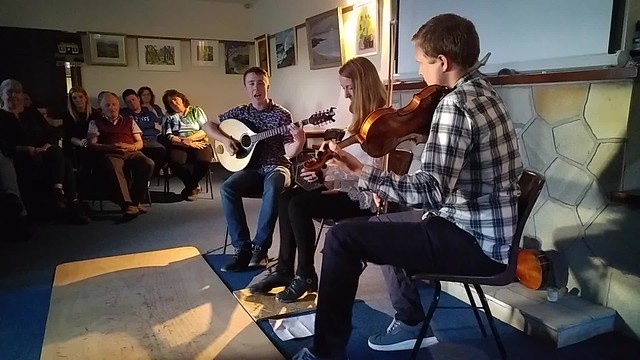
Ciarán, Caitlín & Cathal

Proto-Celtic *wēdelos = savage, woodsman
Old Irish (Goídelc) Goídel [ˈɡoːi̯ðʲel] = Gael, Irishman
Goídelc [ˈɡoːi̯ðʲelɡ] = Irish (language)
goídelach = Gaelic, Irish, Gaelic-speaking
Goídelta = Gaelic, Irish
Irish (Gaeilge) Gael [ɡeːlˠ] = Gael, Irish person; (Scottish) Highlander
Gaeilge/Gaelainn = Irish (language)
Gaeilgeoir = Irish speaker/learner
Gaeilgeoireacht = (act of) speaking Irish
Gaelach = Irish; attached to the Irish language/culture; native to ireland, homely, pleasant, common, ordinary
Gaelachas = Irish characteristic(s); attachment to Irish culture
Gaelaigh = to Gaelicize
Gaeltacht = Irish(-speaking) people; Irish-speaking area; Gaelic-speaking area of Scotland.
Gaelú = Gaelicization
Scottish Gaelic (Gàidhlig) Gàidheal [gɛː.əl̪ˠ] = Gael, Highlander
Gàidhlig [gaːlɪgʲ] = (Scottish) Gaelic (language)
A’ Ghàidhealtachd = Highlands
Gàidhealach [gɛː.əl̪ˠəx] = (culturally) Gaelic; Highland-related
Gàidhealachadh [gɛː.əl̪ˠəx] = making Gaelic; Gaelification, Gaelicisation
Gàidheileamailteach [gɛː.aləmaldʲəx] = German learner of Gaelic
Manx (Gaelg) Gael = Gael
Gaelg, Gailck = Gaelic, Manx (language)
Gaelgagh, Gailckagh = highland people, Manx, Gaelic, Scottish Gaelic
Gaelgeyr = (Manx) Gaelic speaker
Gaeltaght = Gaelic speaking area
Proto-Brythonic *guɨðel = wild
Middle Welsh (Kymraec) Guoidel, Guodel, Gwydyl = Irishman
Welsh (Cymraeg) Gwyddel [ˈɡʊɨ̯ðɛl/ˈɡʊi̯ðɛl] = Irishman
Gwyddeles = Irishwoman
Gwyddeleg = Irish (language)
Gwyddelegwr = Irish speaker, Irish scholar
Gwyddelig = Irish, Hibernian; savage, barbarous
Cornish (Kernewek) Godhal = Gael
Godhalek = Gaelic (language)
Breton (Brezhoneg) Gouezel = Gael
gouezel = Gaelic
gouezeleg = Gaelic (language)
gouezeleger = Gaelic speaker
gouezelegva = Gaelic speaking area

Etmology: from the Proto-Celtic *wēdus (wild), from the Proto-Indo-European *weydʰ- (wood, wilderness). The Irish, Scottish Gaelic and Manx words for Gael were borrowed from Proto-Brythonic [source].

Words marked with a * are reconstructions.

Sources: Wiktionary, Am Faclair Beag, Online Manx Dictionary, Teanglann.ie, eDIL – Electronic Dictionary of the Irish Language, In Dúil Bélrai English – Old Irish glossary, Geiriadur Prifysgol Cymru, Gerlyver Kernewek, Dictionaire Favereau, TermOfis, English – ProtoCeltic WordList (PDF)

Wild

Words for wild and related words, in Celtic languages.

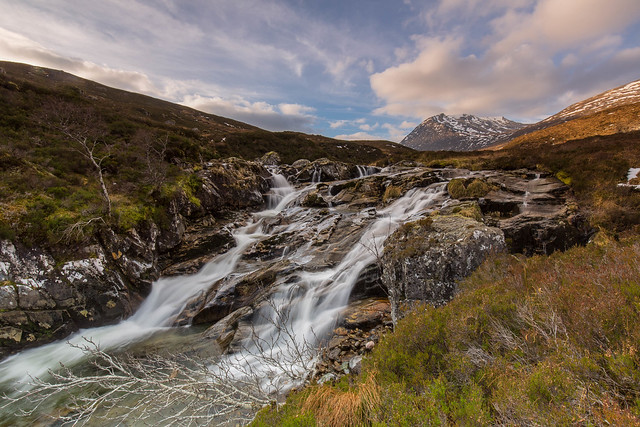
Gleann Nam Fiadh ..

Proto-Celtic *wēdus/*weido- [ˈweː.dus] = wild
*weido-mokku- wild pig
Old Irish (Goídelc) fíad [fʲiːa̯ð] = wasteland, wilderness; uncultivated land, territory, land
Irish (Gaeilge) fia [fʲiːɾˠ] = waste, wilderness; land, territory
fiabheatha = wildlife
fiáin = wild, uncultivated, undomesticated, uncontrolled, tempestuous, intensely eager
fiánta = wild, fierce, savage
fiántas = wildness, fierceness, savageness; wilderness
fiata = wild, fierce, angry; shy
fiatacht = wildness, fierceness, sternness, anger
fiatúil = wild, coarse, rough
Scottish Gaelic (Gàidhlig) fiadh [fiəɣ] = lord; wildness, wilderness (archaic)
fiadhan [fiə.an] = wildness, shyness, feral
fiadhaich [fiə.ɪç] = untamed, uncultivated, wild; fierce; off (food & drink); extremely
fiadhaichead [fiə.ɪçəd] = savageness, wildness, savagery
fiadhain [fia.ɛn̯ʲ] = wild, untamed
fiadhtachd [fiəhdəxg] = wildness, fierceness
faoileachail [fɯːləxal] = wild, savage
Manx (Gaelg) feie = natural, wild, savage
faasagh = wild, desolate, wilderness, waste place, desert
feiar, feiaragh = savage
Proto-Brythonic *guɨð = wild
Middle Welsh (Kymraec) gŵydd, gvyd = rude (uncultivated), savage, wild
Welsh (Cymraeg) gŵydd [ɡuːɨ̯ð/ɡʊi̯ð] = wild, untamed, savage, untilled, uncultivated, woody, overgrown, desolate, desert; unploughed land, fallow land
Old Cornish guir = wild
Middle Cornish gwyr, guyr = wild
Cornish (Kernewek) goodh = wild
Old Breton guoid, guoed = wild
Middle Breton goez = wild
Breton (Brezhoneg) gouez = wild, fierce, ferocious, brutal, rustic

Etmology: possibly from the Proto-Indo-European *weydʰ- (wood, wilderness). Words for Gael(ic) come from the same root [source].

Disambiguation
There are several words in Welsh similar to gŵydd, each of which has different meanings and origins:

  • gŵydd = wild, untamed, savage
  • gŵydd = presence, sight, face, from the Proto-Celtic *wēdos (sight, presence) [source]
  • gŵydd = goose, simpleton. From the Proto-Celtic *gesdā (goose) [source]
  • gŵydd = grave, sepulchre, burial-mound, tumulus. Possibly related to gwŷdd (tree), or to gŵydd (wild)
  • gwŷdd/gŵydd = knowledge, science. Related to gwybod (to know)
  • gwŷdd = tree(s), branches, twigs, forest, woods, shrub(s), lineage. From the Proto-Celtic *widus (wood, trees) [more details]
  • gwëydd/gwehydd/gwŷdd = weaver, composer of poetry, weaver of songs. From gwau (to weave), from the Proto-Celtic *wegyeti (to weave) [source]
Proto-Celtic *gʷeltis wild
Old Irish (Goídelc) geilt [fʲiːa̯ð] = wasteland, wilderness; uncultivated land, territory, land
Middle Irish (Gaoidhealg) geilt/gelt = madman, lunatic
Irish (Gaeilge) gealt [ɟal̪ˠt̪ˠ] = crazy person, lunatic; panic-stricken person, naked fugitive
gealtach = crazed, insane, wild, panic-stricken person or animal
gealtachas = craziness, lunacy, panic, terror
gealtacht = lunacy, insanity, wildness, panic
gealtlann = lunatic asylum
gealtra = (gang of) wild, mischievous children
Scottish Gaelic (Gàidhlig) geilt [gʲeldʲ] = terror, fear, dread, skittishness
gaelachan [gʲal̪ˠəxan] = lunatic
tinneas na gealaich = lunacy, madness, insanity (archaic)
Manx (Gaelg) doghanagh = ill, diseased, disoredered, morbid, sickly
eayst-ghoghanagh = lunatic
far-ghoghanagh = malingerer
Proto-Brythonic *gwɨlt [ˈɡwiːr] = wild
Middle Welsh (Kymraec) guyll, gwyllt = rude (uncultivated), savage, wild
Welsh (Cymraeg) gwyllt [ɡwɨːɬt/ɡwɪɬt] = wild, timid, untamed, angry, furious, fierce; uncultivated, uninhabited, desolate, desert; stormy, tempestuous, raging, turbulent
gwylltineb = wildness, rashness, rage, fury
gwylltio = to lose one’s temper, be scared, flee, grow wild
gwylltaidd = wildish, turbulent, unruly, irresponsible
gwylltâf/gwylltáu = to become wild, grow wild
Old Cornish guill = wild
Cornish (Kernewek) gwyls = wild, fierce, savage, violent
gwylvos = wilderness
Old Breton gueld = wild, untamed

Etmology: from the Proto-Indo-European *gʷʰel-t- [source].

Words marked with a * are reconstructions.

Sources: Wiktionary, Am Faclair Beag, Online Manx Dictionary, Teanglann.ie, eDIL – Electronic Dictionary of the Irish Language, In Dúil Bélrai English – Old Irish glossary, Geiriadur Prifysgol Cymru, Gerlyver Kernewek, Dictionaire Favereau, TermOfis, English – ProtoCeltic WordList (PDF)
Really True

Words for true and related words, in Celtic languages.

Creu Gwir fel gwydr o ffwrnais awen

Proto-Celtic *wīros = true
*wīrjā-/wīrjānjā- = truth
*wīrjāno- = truthful, just
Old Irish (Goídelc) fír [fʲiːr] = true, truth
fír fer = fair play
fír flatha = just rule
fír nDé = ordeal (true)
Irish (Gaeilge) fíor [fʲiːɾˠ] = true, real, intense, very, ultra; noble
fíoraigh = to verify
fíoreolas = real knowledge
fíorfhuil = pure, noble, blood
fíorga = righteous
fíorgacht = righteousness
fíorghrá = true love
Scottish Gaelic (Gàidhlig) fìor [fiər] = true, veritable; genuine, real, actual, authentic
fìreanta [fiːrʲən̪ˠdə] = true, just, righteous
fìrinn [fiːrʲɪn̪ʲ] = truth, verity, fact, reality; the Gospel
fìrinneach [fiːrʲɪn̪ʲəx] = true, truthful, factual, real, just, honest
fìrinnich, fìreanaich = to verify, justify, exonerate
fìorghlan = chaste, immaculate, pure
fìor-riochdail = realistic
fìor-uisge = springwater, freshwater
Manx (Gaelg) feer = very, exceptionally, true, real, authentic, regular
feeraghey, feerey, firrinaghey = to verity, affirm
feeraghey, firrinaghey = to authenticate, authentication, certify, confirm
feerid = truth, reality, simplicity, veracity, authenticity
feer ushtey = fresh water
firrinagh = authentic, candid, devout, faithful, honest, real
Proto-Brythonic *gwir [ˈɡwiːr] = true
Middle Welsh (Kymraec) gwir, guir, gvir = true
Welsh (Cymraeg) gwir [ɡwiːr] = true, certain, genuine, real, very, right, sure
gwiriad = confirmation, verification, proof, check, assertion
gwir(i)af, gwir(i)o = to prove right or correct, confirm, verify
gwiriant = confirmation, verification
gwirion = pure, sinless, blameless, chaste, true, faithful; weak-minded, silly, daft, foolish, unwise; simpleton, fool, idiot
gwir(i)edig = verified, checked, proved, attested, confirmed
gwiriedigol = positive, certain
gwir golau = Right Honourable
Gwir Anrhydeddus = the plain/naked/honest truth
yn wir = in truth, indeed, verily
cael y gwir = to get justice, get one’s due
Old Cornish guir = true
Middle Cornish gwyr, guyr = true
Cornish (Kernewek) gwir = true, genuine, real, right, actual; authentic
gwiryonedh, gwrionedh = truth
gwiryon = truthful
gwirvos = reality
gwirya, gwirhe = to verify
gwir-pryntya = copyright
y’n gwir = really
yn hwir, dhe wir = truly, really
Old Breton gwuir = true
Breton (Brezhoneg) gwir [ɡwiʁ] = right, true, correct; truth
gwiriañ = to verify
gwirionez = truth
gwirvoud = reality
e(n) gwir = really

Etmology: possibly from the Proto-Indo-European *weh₁ros (true) from *weh₁- (true). English words such as verdict, verity, very and warlock come from the same root [source].

Words marked with a * are reconstructions.

Sources: Wiktionary, Am Faclair Beag, Online Manx Dictionary, Teanglann.ie, eDIL – Electronic Dictionary of the Irish Language, In Dúil Bélrai English – Old Irish glossary, Geiriadur Prifysgol Cymru, Gerlyver Kernewek, Dictionaire Favereau, TermOfis, English – ProtoCeltic WordList (PDF)
Apples

Words for apples and related words, in Celtic languages.

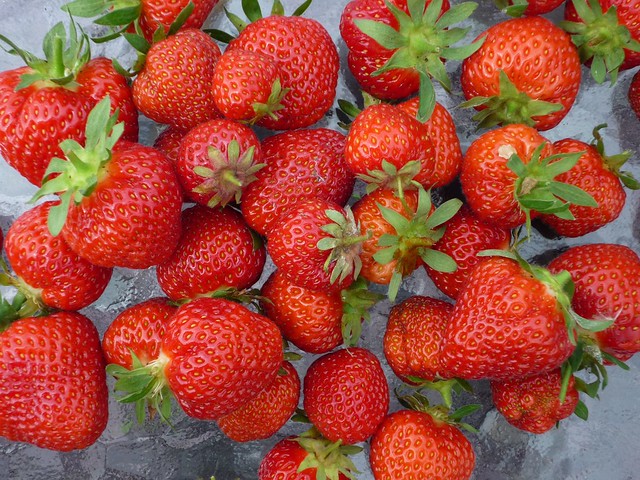
Apples / afalau

Proto-Celtic *abalom = apple
*abalnā = apple tree
Gaulish abalon, aballon = apple, apple tree
Old Irish (Goídelc) ubull, uball [ˈu.vul͈/ˈu.val͈] = apple
aball = apple tree
Irish (Gaeilge) úll [uːl̪ˠ] = apple; ball-and-socket joint; globular object, ball
úllach = bearing apples, abounding in apples
úllachán = little apple, little ball (of thread, etc)
úlllgharraí, úllghort, úllord = orchard
úllghlas = apple-green
úll óir = golden apple, precious thing
abhaill = apple tree
fia-úll = crab-apple
Scottish Gaelic (Gàidhlig) ubhal [u.əl̪ˠ] = apple
ubhal-chrann, abhaill = apple tree
ubhal-cridhe = tomato
ubhal-fiadhain, fiadh-ubhal, searbh-ubhal = crab/wild apple (malus sylvestris)
ubhal-ghort = apple orchard
dearc-ubhal = oak apple
lionn-ubhal = (apple) cider
òr-ubhal = orange
Manx (Gaelg) ooyl = apple, pommel
ooylagh = orchard
billey ooyl = apple tree
ooyl feie = crab-apple
ooyl ghraih = tomato
ooyl ghraney, ooyl ghrineagh = pomegranate
Proto-Brythonic *aβal = apple
*aβaln = apple tree
Middle Welsh (Kymraec) aual, aval, afal = apple
auallen, avallen, yfallen = apple tree
Welsh (Cymraeg) afal [ˈaval/ˈaːval] = apple
afallen = apple tree
afal cariad = tomato, love-apple
afal cwins = quince
afal drain = haw, hawthorn berry
afal gwlanog = peach
afal sur (bach) = crab apple
Cornish (Kernewek) aval [ˈaval/ˈævɐl] = apple
avalen = apple tree
aval briansen = larynx
aval dor = potato
aval gwlanek = peach
aval kerenja/kerensa = tomato
aval lagas = eyeball
aval paradhis = grapefruit
aval saben = pine cone
Old Breton abal = apple
Middle Breton aval [ˈɑː.val] = apple
Breton (Brezhoneg) aval = apple
avalwez = apple tree
aouraval = orange
greunaval = pomegranate
aval-douar = potato

Etmology: possibly from the Proto-Indo-European *h₂ébōl (apple), which is also the root of words for apple in Baltic, Slavic, Celtic, Germanic and Italic languages [source].

Avalon, the legendary island in the west to which King Arthur was taken after the Battle of Camlann, probably comes from the same root, via the Latin Insula Avallonis – the name used by Geoffrey of Monmonth in his Historia Regum Britanniae (c. 1136). Avalon may have been the Isle of Man, or the Isle of Arran, which were known as Emain Ablach in Old Irish poems [source.

Words marked with a * are reconstructions.

Sources: Wiktionary, Am Faclair Beag, Online Manx Dictionary, Teanglann.ie, eDIL – Electronic Dictionary of the Irish Language, In Dúil Bélrai English – Old Irish glossary, Geiriadur Prifysgol Cymru, Gerlyver Kernewek, Dictionaire Favereau, TermOfis, English – ProtoCeltic WordList (PDF)

Strawberries

Words for strawberries and related words, in Celtic languages.

Strawberries

Proto-Celtic *subhī = strawberries
Old Irish (Goídelc) sub = strawberry
sub craéb = raspberry
Irish (Gaeilge) [sˠuː] = (red) berry
sú craobh = raspberry
sú talún = strawberry
Scottish Gaelic (Gàidhlig) sùbh [suː] = berry, soft fruit
sùbh-craobh = raspberry
sùbh-craobh ruiteach = salmonberry (Rubus spectabilis)
sùbh-làir fiadhain = wild / Alpine strawberry (Fragaria vesca)
sùbh nam ban-sìthe = stone bramble (Rubus saxatilis)
sùbh-thalmhainn = strawberry
Manx (Gaelg) soo [suː] = berry
soo crouw = raspberry
soo thallooin = strawberry
Middle Welsh (Kymraec) yssyui / syui / syvi = strawberries
Welsh (Cymraeg) syfi(en) [ˈsəvi] = (wild) strawberries
syfi coch/gwyllt/bach = wild strawberries
syfi gardd = cultivated strawberries)
syfïa = to gather (wild) strawberries
Old Cornish syvyen = strawberry
Cornish (Kernewek) sevi(en) = strawberries
Old Breton s(u)iuy = strawberries
Middle Breton siuy = strawberries
Breton (Brezhoneg) sivi(enn) = strawberries
sivia = to pick strawberries
sivi-garzh = wild strawberries

Etmology: possibly from a non-Indo-European substrate [source]

Middle Welsh (Kymraec) ymevvs / mefys / mefvs / mevys = strawberries
Welsh (Cymraeg) mefus(en) [ˈmɛvɨ̞s / ˈmeːvɪs] = strawberries
mefus y goedwig / mefus y coed = wild strawberries

Etmology: from the Vulgar Latin majusa (“mayberry”), or from the Basque mart (blackberry, bramble), or from the Gaulish *majoþa [source]

Words marked with a * are reconstructions.

Sources: Wiktionary, Am Faclair Beag, Online Manx Dictionary, Teanglann.ie, eDIL – Electronic Dictionary of the Irish Language, In Dúil Bélrai English – Old Irish glossary, Geiriadur Prifysgol Cymru, Gerlyver Kernewek, Dictionaire Favereau, TermOfis, English – ProtoCeltic WordList (PDF)