Podcast: Play in new window | Download
In this Adventure in Etymology we discover the odd origins of the word awkward.
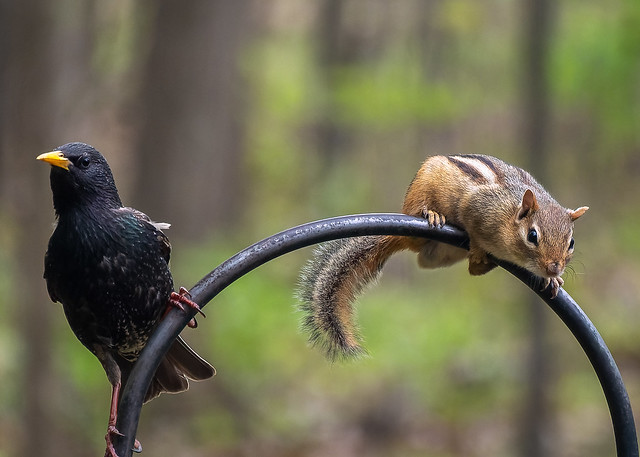
Meanings of awkward [ˈɔːk.wəd / ˈɔk.wɚd] include: lacking dexterity in the use of the hands, or of instruments; not easily managed or effected; embarrassing; lacking social skills, or uncomfortable with social interaction; difficult to handle.
It comes from awk, an obsolete word meaning odd, out of order, perverse, wrong or clumsy, and -ward, a suffix denoting course or direction to, motion or tendency toward, and so on [source].
Awk comes from Middle English auk(e) (backhanded, perverse, wrong, strange, marvelous), from Old Norse ǫfugr (turned the wrong way, unkind, harsh), from Proto-Germanic *abuhaz (inverted, wicked, bad), from PIE *h₂époh₃kʷos, from *h₂epó (off, away) and *h₃ekʷ- (to see, eye) [source].
Words from the same roots include öfugur (reversed, backwards, wrong) in Icelandic, avig (backwards, inside out) in Swedish, opak (opposite) in Czech, and опак (opak – wicked, nefarious, dastardly) in Macedonian [source].
If you would like to support this podcast, you can make a donation via PayPal or Patreon, or contribute to Omniglot in other ways.
Radio Omniglot podcasts are brought to you in association with Blubrry Podcast Hosting, a great place to host your podcasts. Get your first month free with the promo code omniglot.

I also write about words, etymology and other language-related topics on the Omniglot Blog, and I explore etymological connections between Celtic languages on the Celtiadur blog.