If someone told you they were feeling a bit nesh, would you know what they meant?
Nesh [nɛʃ] means “sensitive to the cold” and “timid or cowardly”, according to Dictionary.com, and is apparently used in in northern and Midlands English dialects. Although I grew up in the northwest of England, I’d never heard it before a friend mentioned it yesterday.
Delicate, weak, poor-spirited, susceptible to cold weather, harsh conditions etc
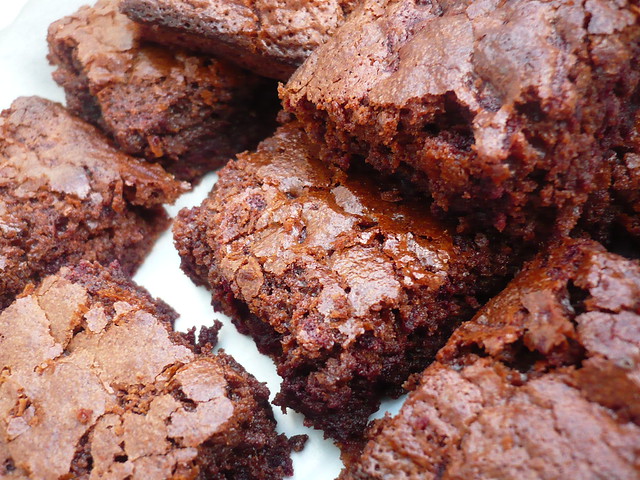
Soft, friable, crumbly
As a verb it means “to make soft, tender or weak”, or “to act timidly”.
It comes from the Middle English nesh/nesch/nesche, from the Old English hnesċe/ hnysċe/hnæsċe (soft, tender, mild; weak, delicate; slack, negligent; effeminate, wanton), from the Proto-West Germanic *hnaskwī (soft), from the Proto-Germanic *hnaskuz (soft, tender), from the Proto-Indo-European *knēs-/*kenes- (to scratch, scrape, rub).
Related words include:
neshen = to make tender or soft, to mollify
neshness = the condition of being nesh
From the same roots we get the German word naschen (to nibble, to eat sweets on the sly), and the English word nosh (food, a light meal or snack, to eat), via the Yiddish word נאַשן (nashn – to snack, eat) [source].
The Dutch word blij [blɛi] means happy, glad, pleased or delighted. It comes from the Middle Dutch blide (happy, cheerful, joyous), from the Old Dutch *blīthi (calm, happy), from the Proto-West Germanic *blīþī (happy), from the Proto-Germanic *blīþiz (serene, mild, pleasant, pleasing, delightful, friendly), from Proto-Indo-European *bʰlī- (light, fine, pleasant) from *bʰleh₁-/*bʰel- (to shine) [source].
Here are some related words and examples of how it’s used (from bab.la and Reverso):
blijdschap = joy, gladness
verblijden = to gladden, delight
blij zijn = to be glad, rejoice, enjoy, be happy
blij maken = to gladden, cheer up
heel blij zijn = to burst with joy
blij zijn met een dode mus = to get all excited about nothing (“to be happy with a dead mouse”)
Ik ben blij dat je ervan zult genieten = I’m glad you’ll enjoy it
Ik ben blij je eindelijk te ontmoeten = I’m pleased to finally meet you
Niet iedereen zal hiermee blij zijn = Not everyone is going to be happy with this
Words from the same root include the Swedish word blid [bliːd] (mild, kind), the Danish word blid [ˈbliðˀ] (gentle) and the word blíður, which means kind, obliging, mild, tender, affable, friendly or good-natured in Icelandic, and hospitable, hearty, friendly, sincere, pleased, mild or smooth in Faroese [source].
The English word blithe [blaɪð / blaɪθ] also comes from the same root, via the Middle English blithe (glad, happy, joyful; gentle, mild; gracious, merciful; bright, shining; beautiful, fair), and the Old English bliþe [ˈbliː.θe/ˈbliː.ðe] (happy, gentle) (to shine) [source].
It means carefree and lighthearted, or very happy or cheerful, and also lacking or showing a lack of due concern, heedless, casual and indifferent [source].
It tends to be used in certain expressions, such as:
He spoke with blithe ignorance of the true situation.
She had a blithe disregard for their feelings.
Some related (and rarely-used) words include blitheful (joyous), blitheless (sorrowful, sad, pitiful, miserable, wretched), blithely (without care, concern or consideration; or in a joyful, carefree manner), blithen (to be(come) happy), and blithesome (happy or spriteful, carefree).
Blithe [bləið] is more commonly used in Scottish English and in Scots, and means joyous, cheerful, happy, glad or well-pleased. A related word, used particularly in Orkney and Shetland, is blithemeat, which is a thanksgiving feast after the birth of a child [source].
In Shetland blithe is written blyde and means glad. Here are the Blyde Lasses, a folk duo from Shetland:
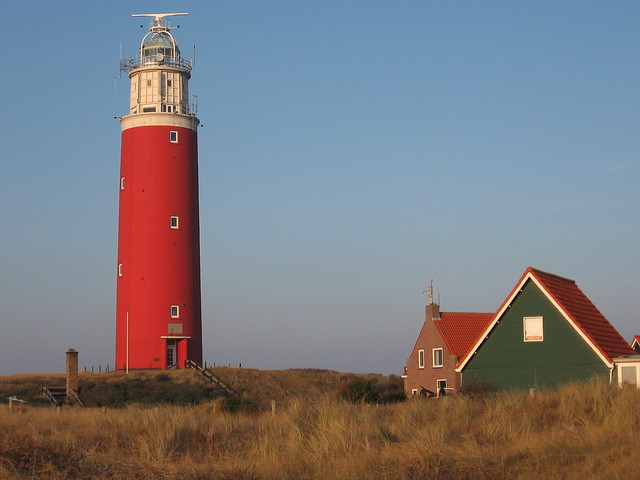
If you have red or ginger hair in the Netherlands or Dutch-speaking parts of Belgium you might be called a vuurtoren [ˈvyːrˌtoː.rə(n)], or literally a “fire tower”. This is apparently a rather rude way to refer to redheads. Other ways include roodhaar (red-hair), roodharige (red-haired), rosse (red), or rossekop (red-head) [source].
As well as meaning redhead, vuurtoren also means lighthouse or beacon, and was a nickname for the old 250 Guilder note, which had a lighthouse on it. Another name for a lighthouse is a lichttoren, and a lighthouse keeper is a vuurtorenwachter.
Vuur (fire, heat, heater, lighter) comes from the Middle Dutch vuur (fire, bonfire, passion), from Old Dutch fuir (fire), from Proto-West Germanic *fuir (fire), from Proto-Germanic *fōr (fire), ultimately from Proto-Indo-European *péh₂wr̥ (fire) [source].
Toren (tower, rook (in chess)) comes the Middle Dutch torre (tower), from the Old Dutch turn (tower), from the Old French tur/tor (tower), from the Latin turris (tower, rook), from the Ancient Greek τύρρις (túrrhis – tower) [source].
A YouTube Channel I found recently is Linguriosa, which is run by a redheaded Spanish lass (una pelirroja) who makes interesting and funny videos about the Spanish language. She talks clearly and not too fast, so it’s great if you’re learning Spanish, as I am at the moment, or are a fluent speaker. Here’s an example:
Do you know of similar channels in other languages?