Russian transliteration

Yesterday I came across a useful site that shows you how to transliterate Russian into various Latin transliteration systems, and into other alphabets such as Greek, Arabic, Thai and Georgian. The site also has an transliterator that transliterates Russian text into various transliteration systems; a transliterator that converts Chinese Pinyin texts into Cyrillic, and another that converts Japanese text in Hiragana or Katakana in Cyrillic.

Here are some example transliterations of the Russian version of Article 1 of the Universal Declaration of Human Rights:

Original Russian text
Все люди рождаются свободными и равными в своем достоинстве и правах. Они наделены разумом и совестью и должны поступать в отношении друг друга в духе братства.

German transliteration
Wse ljudi roschdajutsja swobodnymi i rawnymi w swojem dostoinstwe i prawach. Oni nadeleny rasumom i sowest’ju i dolschny postupat’ w otnoschenii drug druga w duche bratstwa.

Greek transliteration
Βσγιε λγιουντι ροζνταγιουτσγια σβομποντνιμι ι ραβνιμι β σβογιεμ ντοστοινστβγιε ι πραβαχ. Ονι ναντγιελγιενι ραζουμομ ι σοβγιεστ’γιου ι ντολζνι ποστουπατ’ β οτνοσγιενι ντρουγκ ντρουγκα β ντουχγιε μπρατστβα.

Georgian transliteration
ვსე ლიუდი როჟდაიუტსია სვობოდნიმი ი რავნიმი ვ სვოემ დოსტოინსტვე ი პრავახ. ონი ნადელენი რაზუმომ ი სოვესტიუ ი დოლჟნი პოსტუპატ ვ ოტნოშენი დრუგ დრუგა ვ დუხე ბრატსტვა.

Another feature of the site is a dictionary of Russian slang, which is available in many language combinations.

Hungarian runes

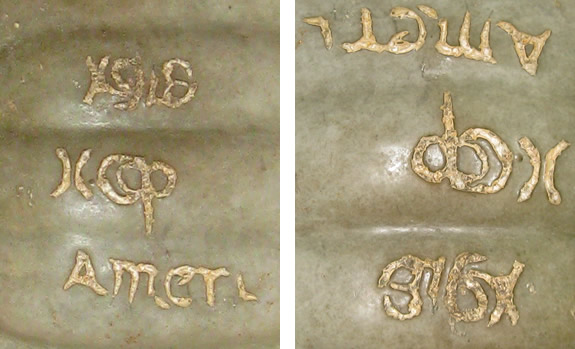
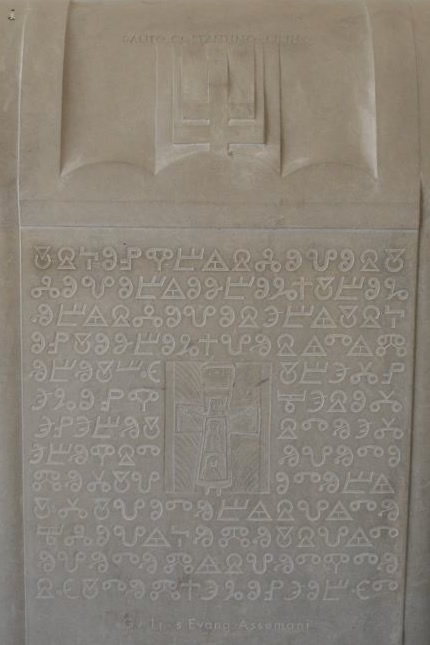
Yesterday at the Llangollen International Musical Eisteddfod I was quite surprised to see Hungarian Runes / Rovás (Székely Rovásírás) being used. They appear on the logo and publicity material of a Hungarian drumming group who perform Hungarian folk dances and songs that date back to the 11th century, a time when the Székler Magyars were writing with the rovás.

The group, called Feher Taltos Traditional Hungarian Drummers (Regélő Fehér Táltos), is very good, and well worth going to see.

Here are some examples:

Examples of Hungarian rovás

I think the bit of writing on the right, which comes from the group’s flyer, reads, “Regélő Fehér Táltos Hagyományőrző Egyesület Dobcsapata”, which I assume is the group’s name in Hungarian.

Playing school

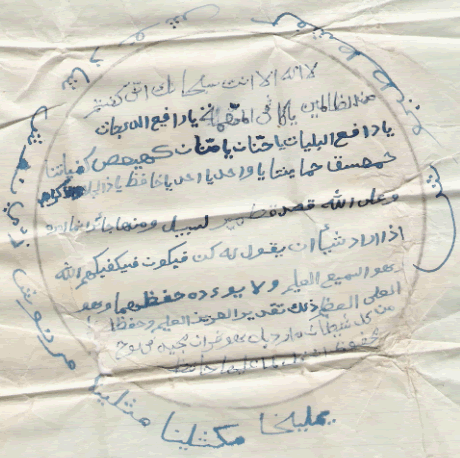
The subject of children playing school came up today in a lecture in the context of how children acquire literacy. The study we were discussing focused on literacy in monolingual English families and polyglot Bangladeshi families in a poor area of London. The researchers found that in the Bangladeshi families it was almost always the older siblings helped their younger siblings with reading, while in the monolingual English families, it was often the parents who helped with reading.

The Bangladeshi children saw reading as something very serious and they all went to classes almost every day after school to learn to read Bengali and Arabic, while the English children saw reading outside school as a fun activity that they enjoyed doing, but didn’t take seriously.

When playing school the Bangladeshi children took it seriously, were strict and imitated their teachers both from their day schools and their evening classes. This involved the younger children reading aloud until they came to a word they didn’t know, which the older children would tell them. The older children also corrected their mistakes. As the younger children became more confident in their reading skills, the older ones gradually removed this supportive scaffolding. This is a technique used in their Bengali and Arabic classes, but quite different to the methods used in the day schools, where the teachers will often simply repeat the words the children have read rather than helping with the next ones.

For the English kids the emphasis when playing school was on the play rather than the school, and it was more popular with the girls than the boys.

Did you play school when you were a kid? Do your children do this? How seriously did you/do they take it?

Southwest script

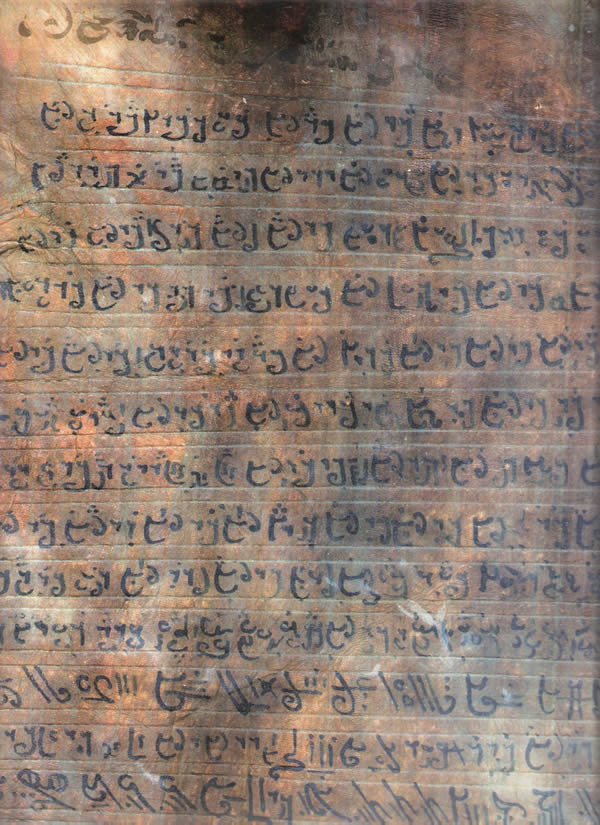
The longest running text in the undeciphered Southwest script of Iberia was discovered recently in southern Portugal, according to an article I found today.

Inscription in the Southwest script

The script dates back to about 800-500 BC and quite a few fragments of texts have been found. Some experts believe the texts were written by pre-Roman tribes such as the Tartessians, Conii or Cynetes, others think the Celts wrote them. The script appears to be an adaptation of the Phoenician and Greek alphabets and symbols representing syllables, consonants and vowels have been identified. However as the language in question is unknown, the script has resisted all attempts to decipher it.

Fabricating fonts

Last week I discovered a very useful site – Fontstruct. It has easy-to-use tools for constructing fonts; you can share your fonts in the online font gallery, though you don’t have to; and you can also download and edit fonts created by other users of the site. Once you’ve signed up to the site, which is free, you can start making fonts. The finished fonts can be saved on the site and downloaded.

I’ve started constructing a font for an alphabet losely based on British Sign Language finger spelling that I’ve been playing with for a while. I’ll post it on Omniglot once I’m satisfied with it. This may take quite a while though.

[Update] My finger spelling-based alphabet, which I named ‘Fingers’, is now online.

Animated Chinese character dictionary

Arch Chinese is a very useful site I came across the other day. It includes a Chinese character dictionary which provides animations showing how to write six thousand traditional and six thousand simplified Chinese characters, and gives you pinyin pronunciation (with audio recordings), stroke counts, English translations and examples of words and phrases that use each character. You can search characters by pronunciation, radical, English words, etc.

It can also character worksheets in PDF format, converts pinyin with tone numbers to pinyin with diacritics, and keeps track of the characters you’ve studied. You can even add your own characters and phrases, and import and export word lists to/from the flashcard function.

Email etiquette

A correspondent has asked about email etiquette and would be interested to know about formal and informal email openings and sign offs. Do you, for example, always start with a greeting of some kind and finish with a farewell? Or do you sometimes omit one or other of these? What kind of greetings and sign offs do you use, and do they depend on the context?

In my previous job some of the emails I sent were simple one word or one sentence ones without greetings or sign offs which said things like “Done”, “Sorted”, “I’ve done that now”, etc., but I only wrote in this way when replying to colleagues I knew well. Normally I almost always include greetings, such as Hi or Hello, and farewells, such as Regards or Best wishes, in my emails, except in some replies.

Portuguese spelling reforms

Reforms to the spelling of Portuguese were officially adopted in Brazil yesterday and will be adopted by Portugal and Cape Verde and the other lusophone countries eventually, according to this report. The reforms have not been welcomed by all in Portugal as many of them are existing Brazilian spellings and thousands of people have signed petitions against them. There are more details of the opposition to the reforms here.

The reforms include the removal of silent letters, such as p in optimo (great) and of unnecessary diacritics. The letters k, w and y, which are already used, are being officially added to the Portuguese alphabet The idea is the make written Portuguese uniform globally, which will make things like internet searches easier.